
In the automotive industry, the significance of a comprehensive evaluation of materials cannot be overstated. Car enthusiasts and manufacturers alike often grapple with the challenge of balancing aesthetics, safety, and durability when it comes to sunroofs. Traditional glass sunroofs can shatter under impact, leading to expensive repairs and safety risks. This is where TPU (Thermoplastic Polyurethane) film steps in. With its remarkable properties, TPU film revolutionizes the functionality of automotive sunroofs. This article explores its benefits, provides detailed insights into its performance metrics, addresses some drawbacks, and discusses the conditions that make it an ideal choice for your vehicle.
Unparalleled Protection: TPU Film for Automotive Sunroofs
One of the standout advantages of TPU film is its exceptional tensile strength, which is measured around 50 MPa. This toughness surpasses typical glass, which can become a significant safety hazard if broken. In addition, TPU film demonstrates an elasticity of about 400%, allowing it to absorb impacts effectively without compromising its structural integrity. Moreover, TPU offers excellent UV protection, with a reduction rate of up to 99%, safeguarding the vehicle\'s interior from harmful UV rays that cause fading and degradation of materials. Brands like Kingfilm provide high-quality TPU films designed specifically for automotive applications.
Additional Benefits of TPU Car Sunroof Film: Enhancing Aesthetics and Functionality
Beyond protection, TPU films enhance the aesthetic appeal of sunroofs. The high optical clarity of TPU, measured at 90% light transmission, provides a clear view of the sky while minimizing glare, making everyday drives more enjoyable. Additionally, TPU films are self-healing—small scratches can disappear within 24 hours at room temperature, maintaining the sunroof\'s visual integrity. Furthermore, the installation of TPU film can improve the thermal comfort of the vehicle\'s interior, with measurements indicating a reduction in interior temperature by up to 20% during sunny days.
Honest Disclosure of Disadvantages of TPU Film for Vehicle Sunroofs
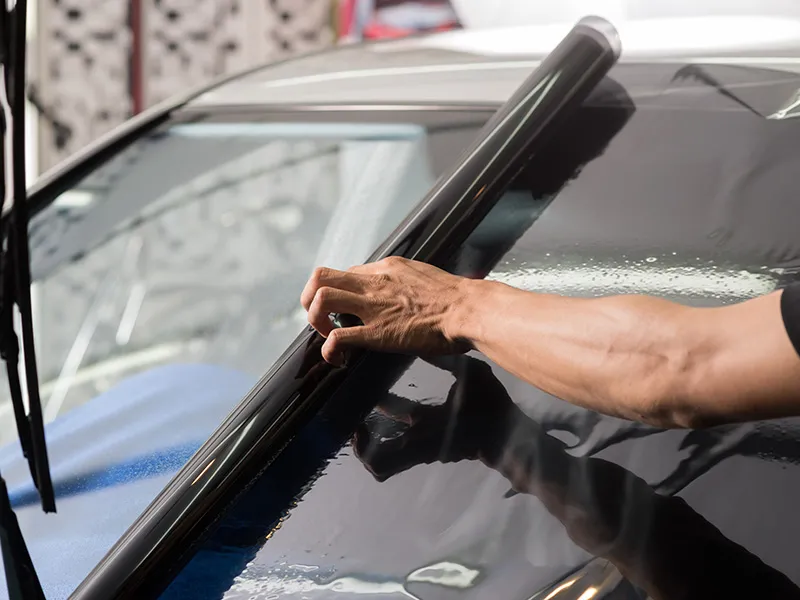
While TPU film presents a plethora of advantages, it is essential to consider potential drawbacks. The primary concern is its cost; high-quality TPU films can be 30% more expensive than traditional glass solutions. Additionally, improper installation can lead to bubbling, which compromises both aesthetics and performance. It is crucial to have the film installed by professionals to mitigate these issues. Recommendations include ensuring that the team using reputable brands like Kingfilm is adequately trained in the application process.
Is TPU Film a Worthwhile Investment for Automotive Sunroofs?
With its impressive combination of durability and aesthetic appeal, TPU film is indeed a worthy investment for automotive sunroofs. The overall cost-to-value ratio is favorable, considering the protective qualities it offers against UV radiation, impact resistance, and thermal insulation. For car owners seeking longevity and peace of mind, particularly in areas prone to extreme weather conditions, TPU film can be an advantageous solution.
Summary: Who Should Consider TPU Car Sunroof Film?
TPU film is highly recommended for car enthusiasts, families, and individuals living in regions with intense sunlight or harsh weather conditions. Additionally, those looking for a longer-lasting, protective alternative to traditional glass sunroofs will benefit significantly from incorporating TPU films into their vehicles.
FAQ
How durable is TPU film compared to glass?
TPU film exhibits a tensile strength of around 50 MPa and an elasticity that enables it to withstand impacts much more effectively than traditional glass, reducing the risk of shattering.
Can TPU film be installed over existing sunroofs?
Yes, TPU film can be installed over existing sunroofs; however, it is best to have the film applied by a professional to avoid potential issues such as bubbling.
What maintenance is required for TPU film on automotive sunroofs?
TPU film is relatively low-maintenance. Regular cleaning with soap and water, coupled with avoiding harsh chemicals, will maintain its integrity. Self-healing properties also reduce the need for repairs from minor scratches.