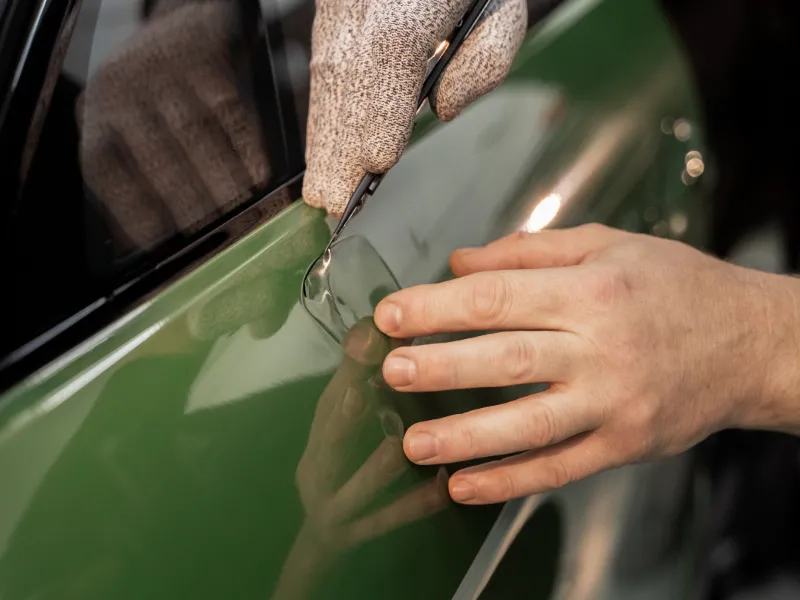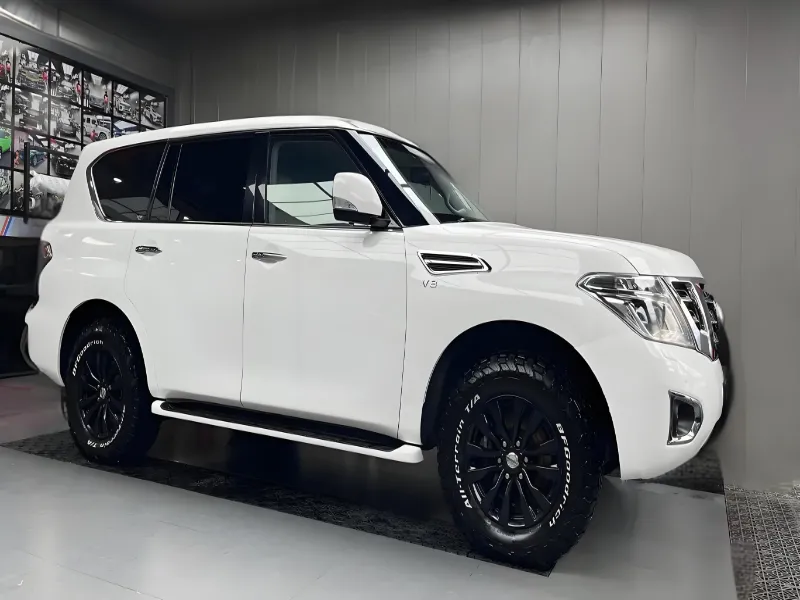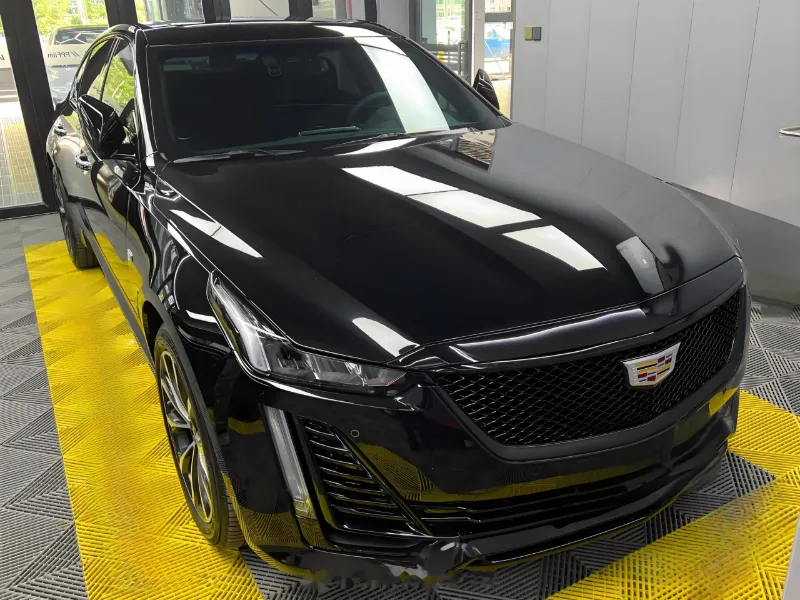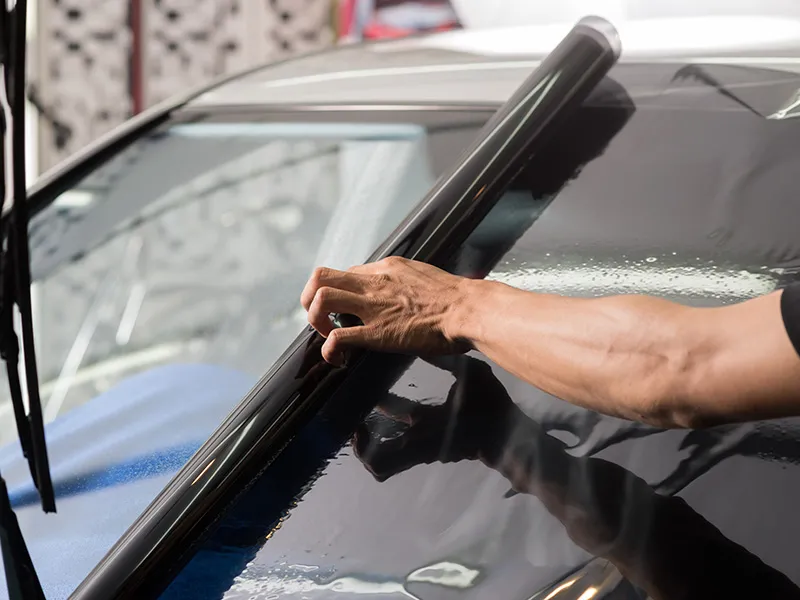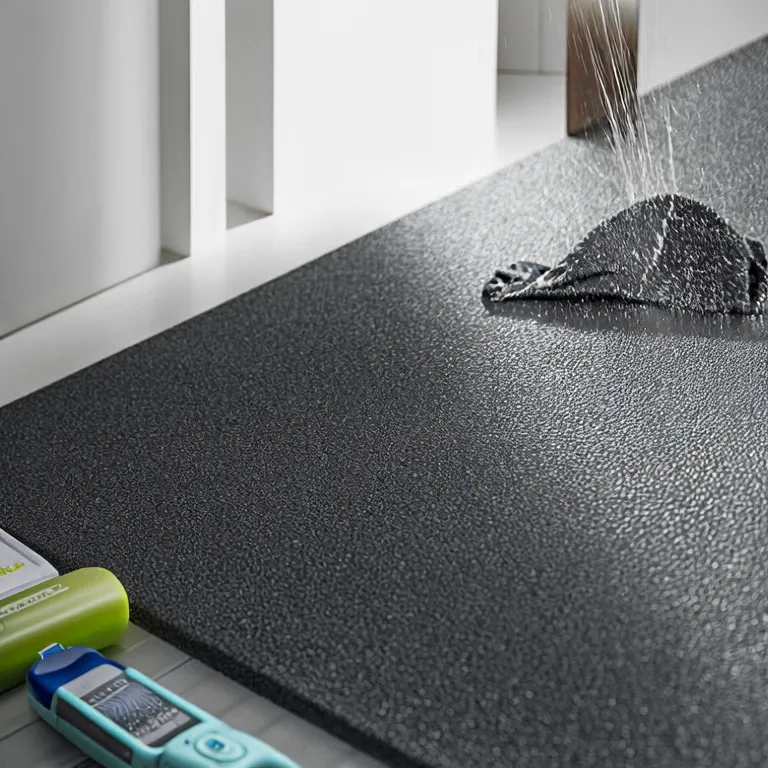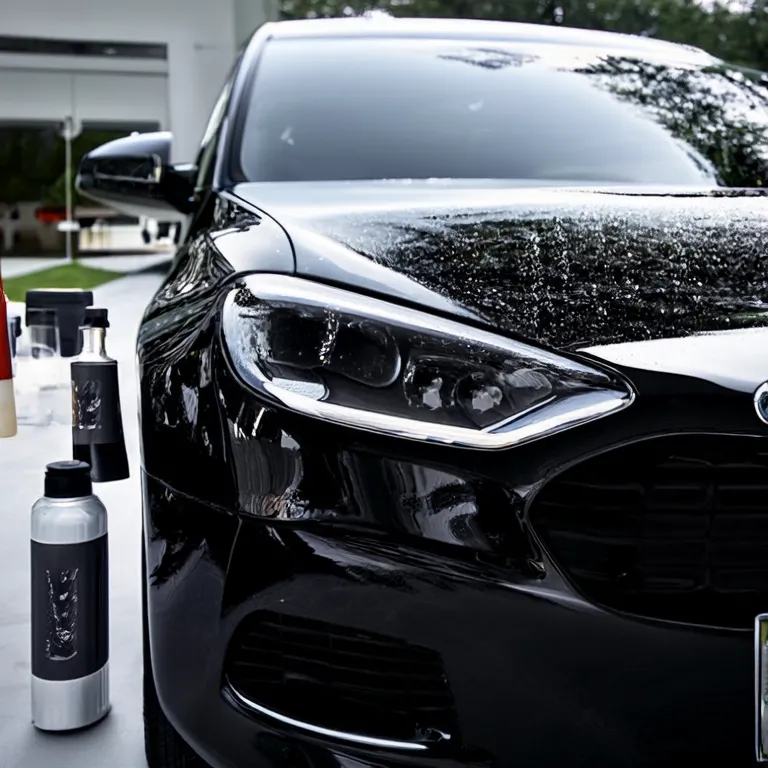

Colored PPF has various shades and finishes which allows you to customize without the need for a full paint job. Colored PPF has become popular with car owners who want to change their car color temporarily. The most used colors are matte black, glossy white, and various metallic shades.

When it comes to vehicle customization and protection, paint protection film (PPF) and vinyl wraps are two of the most popular choices. While both offer a way to enhance a car’s appearance, Color PPF has emerged as the superior option for long-term durability, protection, and aesthetic appeal. But what truly sets color PPF apart from vinyl wraps? This article explores their key differences from a manufacturer’s perspective, backed by industry insights and data, to help automotive professionals make informed purchasing decisions.
Quick Answer: Colored PPF or Vinyl Wrap?
If you want both color change and real paint protection, Colored PPF is the better choice. It offers a premium finish, strong scratch resistance, self-healing performance, UV protection, and longer durability.
If you mainly want a temporary color change at a lower upfront cost, vinyl wrap may be suitable. However, vinyl wrap is thinner, less protective, and usually needs replacement sooner than color paint protection film.
For car owners, installers, detailing shops, and distributors looking for long-term value, Colored PPF is a more advanced solution than traditional vinyl wrap.
What is Paint Protection Film (PPF) and Color PPF?
Paint Protection Film (PPF) is a polyurethane-based material designed to shield a car’s surface from scratches, stone chips, UV damage, and other environmental hazards. Traditional PPF is transparent and is primarily used for protecting the original car paint without altering its appearance.
Color PPF, on the other hand, is an advanced form of PPF that combines aesthetic customization with protective benefits. Unlike vinyl wraps, color PPF is self-healing, thicker, and offers long-lasting performance, making it the preferred choice for premium vehicle owners and fleet operators.
Key Differences Between Color PPF and Vinyl Wraps
Durability and Protection
Color PPF: Made from multi-layered TPU (thermoplastic polyurethane), color PPF can last 7-10 years with proper maintenance. It provides scratch resistance, chemical resistance, and UV protection while preserving the car’s resale value.
Vinyl Wraps: Typically last 3-5 years and are prone to fading, peeling, and cracking due to exposure to sun and weather conditions. They do not offer scratch or impact protection.
Aesthetic and Customization
Color PPF: Available in gloss, matte, satin, carbon fiber, and metallic finishes, giving vehicles a premium look without compromising protection.
Vinyl Wraps: Provide more color and pattern options, but lack the depth and gloss of PPF. Over time, vinyl wraps can appear dull and lose vibrancy.
Thickness and Impact Resistance
Color PPF: Usually 6-8 mil thick, offering a self-healing top coat that repairs minor scratches with heat. It effectively absorbs gravel impact, preventing paint damage.
Vinyl Wraps: Much thinner (2-4 mil thick), making them prone to punctures, scratches, and tearing.
Ease of Installation and Maintenance
Color PPF: Requires professional installation due to its stretchability and adhesive properties. However, once installed, it requires minimal maintenance.
Vinyl Wraps: Easier to install but require frequent cleaning and may not adhere well to complex curves of luxury cars.
Cost and ROI
Color PPF: Higher initial cost but better long-term value, reducing the need for repainting or frequent replacements.
Vinyl Wraps: More affordable upfront but needs replacement sooner, increasing total ownership costs.
Colored PPF vs Vinyl Wrap Comparison Table
| Comparison Item | Colored PPF | Vinyl Wrap |
|---|---|---|
| Main Material | TPU / Thermoplastic Polyurethane | PVC / Polyvinyl Chloride |
| Main Purpose | Color change + paint protection | Color change / decoration |
| Thickness | Usually 6–8 mil | Usually 2–4 mil |
| Paint Protection | Strong protection against scratches, stone chips, stains, and UV | Limited protection |
| Self-Healing | Yes, minor scratches can heal with heat | Usually no self-healing |
| Durability | About 7–10 years with proper maintenance | About 3–5 years |
| Finish Options | Gloss, matte, satin, metallic, carbon fiber, color-shift | More colors and printed patterns |
| Appearance | Deeper gloss and premium texture | Flexible styling but may fade over time |
| Installation | Requires professional installation | Easier to install |
| Maintenance | Easy to maintain after installation | May peel, crack, or fade over time |
| Cost | Higher upfront cost | Lower upfront cost |
| Best For | Premium cars, long-term protection, high-value vehicles | Temporary color change, advertising, budget projects |
Industry Trends and Market Insights
According to a 2023 market report by Grand View Research, the automotive PPF market is expected to reach $1.49 billion by 2028, growing at a 6.9% CAGR. This growth is driven by:
Increasing demand for luxury vehicle protection.
Rising consumer preference for self-healing and high-gloss finishes.
The shift from vinyl wraps to advanced Color PPF solutions.
Additionally, Google Trends data shows a steady rise in search interest for color PPF, while searches for vinyl wraps have stagnated due to concerns over durability.
Why Automotive Buyers Prefer Color PPF Over Vinyl Wraps
For automotive dealers, detailing shops, and fleet managers, investing in high-quality color PPF offers:
✔ Enhanced brand reputation by offering premium protection solutions.
✔ Better customer retention due to the long-term benefits of PPF.
✔ Higher profit margins as customers are willing to pay more for superior protection.
Recommended Industries for Color PPF
Luxury and sports car dealerships – Customers seek premium paint protection.
Fleet operators and logistics companies – Minimizes wear and tear on corporate vehicles.
Taxi and ride-share businesses – Reduces repainting and maintenance costs.
Conclusion: Which One Should You Choose?
If your goal is long-lasting protection, self-healing properties, and premium aesthetics, Color PPF is the superior choice over vinyl wraps. It not only enhances vehicle appearance but also protects the underlying paint, making it the best investment for high-value vehicles.
For automotive professionals looking to upgrade their offerings, partnering with a reliable PPF manufacturer ensures access to high-performance materials that meet industry standards.
Looking for High-Quality Color PPF?
As a leading PPF manufacturer, we offer premium-grade Color PPF solutions with customized finishes, bulk pricing, and installation support. Contact us today for OEM partnerships and wholesale inquiries.
FAQ
Is Colored PPF better than vinyl wrap?
Yes, Colored PPF is better if you need both color change and paint protection. It is thicker, more durable, self-healing, and better at protecting the original paint than vinyl wrap.
Does Colored PPF protect car paint?
Yes. Colored PPF protects car paint from scratches, stone chips, stains, UV damage, bird droppings, bug splatter, and minor road debris.
How long does Colored PPF last?
High-quality Colored PPF can usually last about 7–10 years with proper installation and maintenance.
How long does vinyl wrap last?
Vinyl wrap usually lasts about 3–5 years, depending on material quality, installation, climate, and maintenance.
Can Colored PPF be removed?
Yes. Professional installers can remove Colored PPF without damaging the original paint, especially when the film is installed and removed correctly.
Is Colored PPF more expensive than vinyl wrap?
Yes. Colored PPF has a higher upfront cost, but it offers better long-term value because it protects the paint and lasts longer.
Does vinyl wrap protect against stone chips?
Vinyl wrap offers very limited protection. It can cover the paint surface, but it is too thin to provide strong stone chip or impact resistance.
Which is better for wholesale buyers?
For wholesale buyers, installers, and distributors, Colored PPF is a better premium product because it combines styling, protection, durability, and higher market value.