
As a car owner, protecting your vehicle\'s exterior from scratches, chips, and harmful UV rays is essential. The solution? DIY Paint Protection Film (PPF) installation. This approach not only saves money but also allows for a personalized touch. Whether you\'re tired of seeing swirl marks on your paint or want to maintain your vehicle\'s resale value, learning how to correctly apply PPF can be a game-changer. In this article, we will cover effective installation techniques, common mistakes, and expert recommendations to enhance your PPF application experience.
Understanding the Benefits of Paint Protection Film
Paint Protection Film serves as a transparent barrier that protects your vehicle\'s paintwork from environmental damage. It has been shown that PPF can reduce paint damage by up to 80%, effectively shielding your car from scratches, bird droppings, and road debris. Investing in high-quality brands, such as Kingfilm, can retain your vehicle\'s aesthetic appeal and value significantly over time.
Preparation: What You Need Before Installation
Gather Necessary Tools and Materials
Why? Having the right tools can streamline the installation process.
- Tools: You will need a sharp utility knife, a squeegee, a heat gun, a spray bottle filled with soapy water, and a microfiber towel.
- Material: High-quality Paint Protection Film (PPF) like Kingfilm should be chosen for durability and clarity.
This preparation is ideal for DIY enthusiasts looking to achieve a professional finish at home.
Installation Techniques: Step-by-Step Guide
Choose the Right Environment
Why? A controlled environment minimizes dust and contaminants.
Install PPF indoors or in a garage. Ensure the surface temperature is between 60°F (15.6°C) and 90°F (32.2°C) for optimal film adhesion.
This approach suits those in urban settings with fluctuating weather conditions.
Clean the Surface Thoroughly
Why? A clean surface ensures that the film adheres properly and looks seamless.
Wash and dry your car\'s surface using a pH-neutral car shampoo. After drying, use a clay bar treatment to remove contaminants.
This step is crucial for car owners with heavily soiled vehicles.
Measuring and Cutting the Film
Why? Accurate measurements prevent waste of material and ensure better fit.
Measure the areas you want to cover and cut the PPF, leaving an extra inch on all sides for adjustment.
This technique is best for beginners who want to ensure precision.
Applying the Film
Why? Proper application prevents bubbles and ensures longevity.
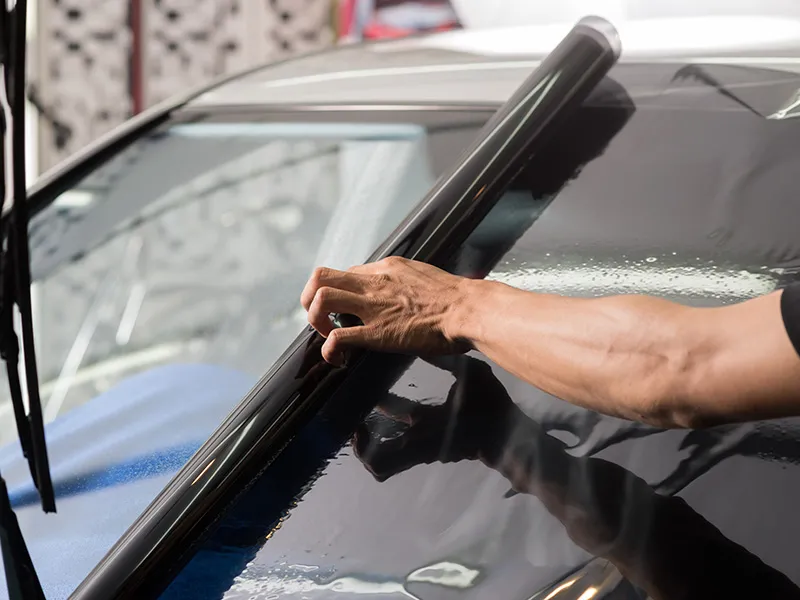
Spray the adhesive side of the PPF and the vehicle\'s surface with soapy water. Position the PPF gently and squeegee from the center outwards to eliminate bubbles.
This method works well in humid conditions, which help maintain film flexibility.
Use Heat to Seal Edges
Why? Heat activates the adhesive for a stronger bond.
Carefully use a heat gun on low settings around the edges of the film to conform it to the curves of your vehicle.
This step is essential for users desiring a flawless finish on complex shapes.
Common Mistakes to Avoid When Installing PPF
- Applying in direct sunlight can cause the adhesive to dry too quickly.
- Neglecting to clean the surface properly can lead to bubbles and defects.
- Using inferior quality film can lead to premature discoloration and peeling.
Frequently Asked Questions
1. How long does PPF last?
High-quality PPF can last up to 7 years with proper care.
2. Can I remove PPF myself?
Yes, but it is recommended to seek professional help if you encounter difficulties.
3. Will PPF turn yellow over time?
High-quality films, like those from Kingfilm, are designed to resist yellowing, ensuring lasting clarity.
Conclusion
Installing Paint Protection Film is an effective way to safeguard your vehicle\'s exterior from damage. By following these detailed steps and utilizing the right materials, such as Kingfilm, you\'ll ensure your car remains in pristine condition for years to come. Whether you\'re a seasoned DIYer or a novice, these tips will help you navigate the installation process successfully, providing you with the peace of mind that your investment is well-protected.