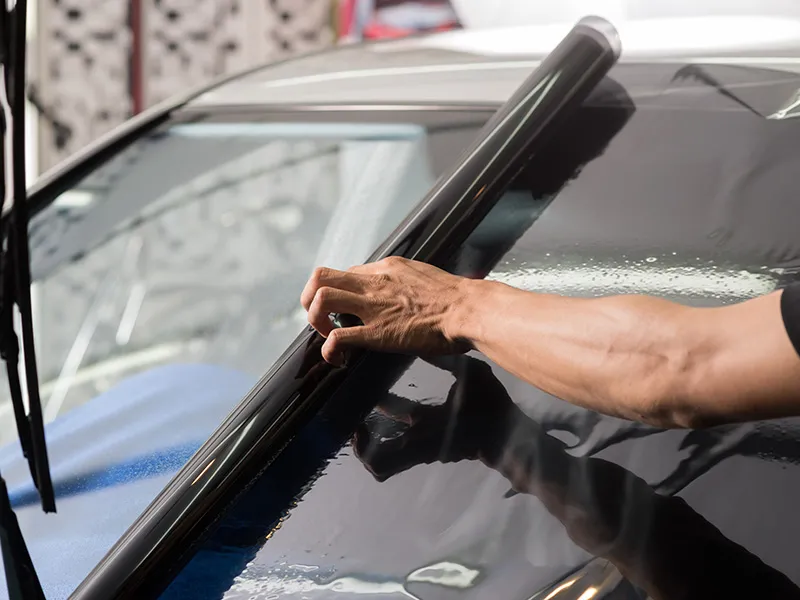

Removing paint protection film (PPF) should not damage your car's paint if done correctly. However, improper removal techniques can scratch or peel the paint.
Paint Protection Film (PPF) has become a must-have solution for vehicle owners looking to preserve their car’s finish. However, a common concern among customers is: Does removing PPF damage paint? The short answer is no—if done correctly. As a leading PPF manufacturer, we will explain the right way to remove PPF, the risks of improper removal, and why choosing high-quality PPF—whether it's clear PPF, color PPF, or matte PPF—is essential for long-term protection.

1. Understanding Paint Protection Film (PPF) and Its Adhesion
PPF is a polyurethane-based protective film applied to a vehicle’s surface to shield it from scratches, UV damage, road debris, and chemical stains. The quality of the adhesive used in clear PPF, color PPF, and matte PPF plays a crucial role in how easily the film can be removed.
Factors That Influence PPF Removal
✅ Film Quality: Premium TPU-based PPF with self-healing properties is designed for clean removal without residue. Low-quality films often leave behind adhesive buildup.
✅ Installation Method: Properly installed PPF adheres smoothly and removes cleanly without pulling paint.
✅ Paint Condition: Factory paint with a clear coat is less likely to suffer damage than repainted or poorly prepped surfaces.
✅ Removal Technique: Using heat and professional-grade tools ensures a damage-free removal process.
2. Can PPF Damage Car Paint During Removal?
If high-quality paint protection film is installed and removed correctly, it does not damage the car’s paint. However, the following risk factors can lead to issues:
❌ Using Low-Quality or Old PPF
Inferior PPF becomes brittle over time, making it harder to peel off cleanly.
Cheap adhesives can bond too aggressively with paint, causing peeling or residue.
❌ Improper Removal Techniques
Forcefully peeling off PPF without heating it can lift the clear coat.
Using razor blades or harsh chemicals can scratch or weaken the paint surface.
❌ Weak or Repainted Surfaces
If the car has aftermarket paint, poor adhesion between the paint layers can cause paint peeling when PPF is removed.
Factory-painted cars are less likely to have this issue.
3. How to Safely Remove PPF Without Damaging Paint
✅ Step 1: Use Heat to Loosen Adhesive
Apply warm air (not direct flame) using a heat gun or steamer. The optimal temperature is 40-60°C (104-140°F) to soften the adhesive.
✅ Step 2: Peel Gently at an Angle
Start from one edge and slowly pull the film back at a 45-degree angle. Avoid pulling straight up, as this can stress the paint.
✅ Step 3: Use Adhesive Remover if Needed
If adhesive residue remains, use a citrus-based or PPF-specific adhesive remover. Avoid harsh solvents like acetone, which can damage clear coats.
✅ Step 4: Clean and Polish the Surface
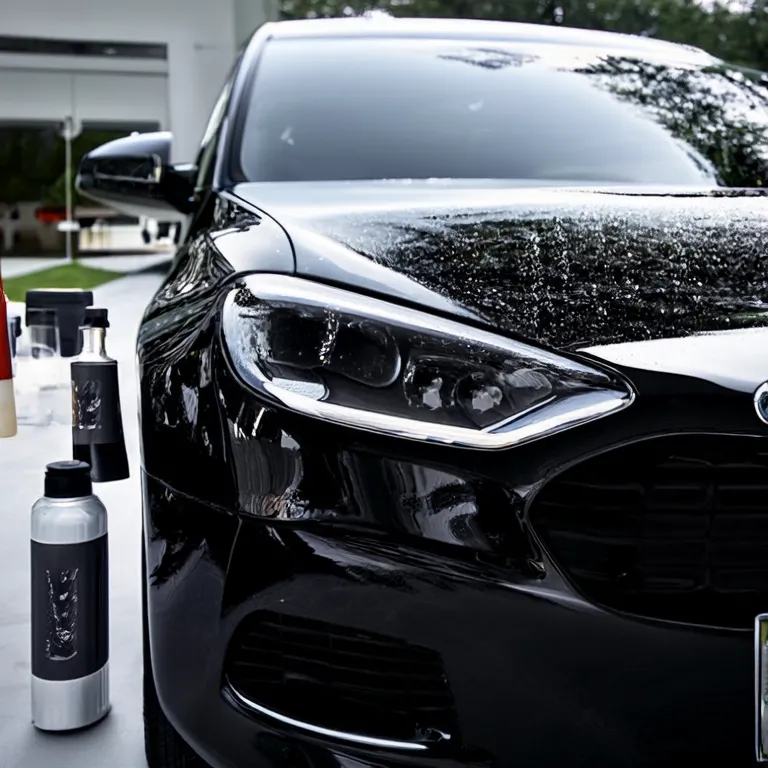
After PPF removal, use a mild car shampoo and microfiber cloth to clean the area. For extra gloss, apply a paint sealant or ceramic coating.
4. Why High-Quality PPF Ensures Safe Removal
Choosing a premium PPF guarantees easy, damage-free removal. Our clear PPF, color PPF, and matte PPF are engineered with:
✔ Advanced TPU Material – Maintains flexibility over time, preventing cracks or adhesive breakdown.
✔ Self-Healing Properties – Minor scratches disappear with heat, extending the film’s lifespan.
✔ Optimized Adhesion – Securely bonds without excessive grip, ensuring clean removal.
5. Industry Insights: PPF Market Growth and Buyer Demand
The global paint protection film market is projected to reach $1.49 billion by 2028, with a CAGR of 6.9%, according to Grand View Research. The rise in luxury car sales, electric vehicles, and fleet protection demands has driven higher PPF adoption rates.
Additionally, Google search trends indicate increasing interest in: