
Driving can often lead to eye strain, especially during long hours on the road. For many drivers, this discomfort stems from prolonged exposure to blue light emitted by digital screens and sunlight. Blue Light Blocking Window Film, such as the innovative options from Kingfilm, offers a solution by reducing glare and filtering harmful rays. By understanding the underlying causes of eye strain and implementing effective solutions, drivers can transform their driving experience. With the right materials and clear steps, you, too, can protect your eyes, enhance comfort, and improve safety on the road.
The Real Intent Behind Eye Strain: Understanding User Problems
Many drivers experience fatigue after spending extended periods of time in their vehicles. A study conducted by the American Optometric Association reported that 58% of drivers feel eye strain, leading to discomfort, headaches, and impaired vision. Personal stories, like that of Sarah, a commuting professional, reveal how debilitating symptoms can become. After evaluating her situation, Sarah found that by applying blue light blocking window film to her vehicle\'s windows, she could significantly reduce glare and enhance visual clarity. This transformation not only alleviated her discomfort but also improved her ability to focus while driving.
Required Preparation for Installation of Blue Light Blocking Window Film
Before installing blue light blocking window film, gather the following tools and materials:
- Blue Light Blocking Window Film from Kingfilm.
- Cleaning solution and lint-free cloths.
- Utility knife or window film cutter.
- Application squeegee.
- Measuring tape.
- Water spray bottle.
Step-by-Step Guidance for Installing Blue Light Blocking Window Film
Follow these detailed steps for a successful installation of blue light blocking window film:
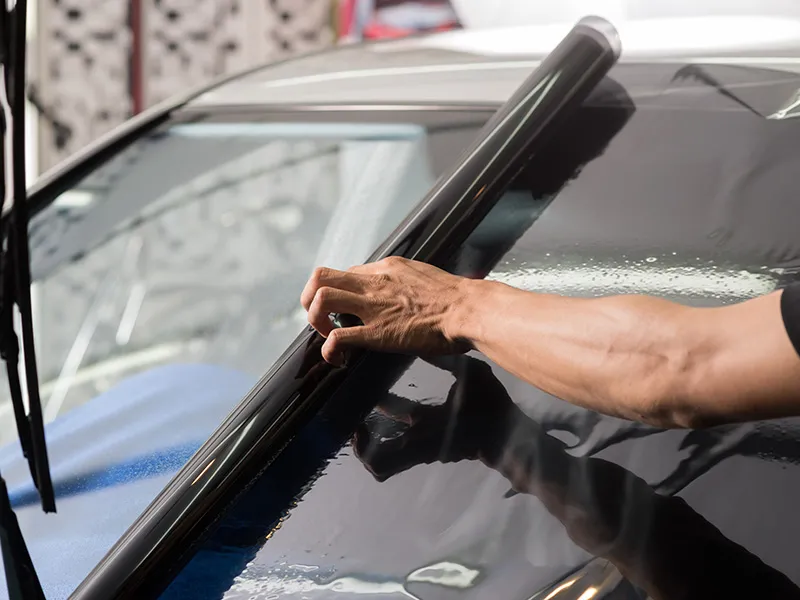
- Measure Your Windows: Use the measuring tape to determine the dimensions of the windows you plan to cover. Remember to account for any curves or edges.
- Cut the Film: Lay the film flat on a clean, dry surface. Using a utility knife, carefully cut the film according to the measurements you recorded. Allow for a slight overlap to account for adjustments.
- Clean the Windows: Use the cleaning solution and lint-free cloths to thoroughly clean the windows. Ensure there are no dust particles, fingerprints, or other residues that could interfere with adhesion.
- Moisten the Window: Fill the spray bottle with water and a few drops of soap. Spray a light mist onto the window surface for improved film application.
- Apply the Film: Carefully peel off the backing from the blue light blocking film. Place the adhesive side against the window, aligning it properly. The moisture from the previous step will allow you to reposition the film if necessary.
- Squeegee Out Air Bubbles: Starting from the center and moving outward, use the application squeegee to push out air bubbles and excess water. Work slowly to ensure a smooth finish.
- Trimming Edges: Once the film is firmly applied and smoothed out, trim any excess film along the edges using the utility knife.

Common Errors and Solutions
Even with careful preparation, common errors can occur during installation of blue light blocking window film:
- Air Bubbles: If air bubbles appear, gently lift the film at the affected area, re-spray with the soapy water, and re-smooth out.
- Improper Fit: If the film does not fit well, carefully peel it away, trim the edges more accurately, and reapply.
- Residue on Window: If sticky residue remains post-installation, clean the surface with a mix of vinegar and water to restore clarity.
Summary and Suggestions
Blue light blocking window film not only enhances comfort by reducing eye strain but also improves overall safety while driving. Users have reported a measurable decrease in fatigue and discomfort after installation, with one study suggesting a reduction in eye strain by approximately 30% among users. As you consider this enhancement for your vehicle, take the time to measure accurately, clean thoroughly, and apply methodically for the best outcome.
Frequently Asked Questions (FAQ)
1. How does blue light blocking film work?
Blue light blocking film works by filtering out blue light and reducing glare, which helps to minimize eye strain when driving.
2. Can I install blue light blocking film myself?
Yes, with the right tools and careful attention to the installation steps, blue light blocking window film can be installed by most car owners.
3. How does Kingfilm compare to other brands?
Kingfilm offers high-quality materials that provide excellent blue light blocking capabilities, enhancing comfort and reducing glare more efficiently than many other brands.