
How PPF Enhances Vehicle Appearance and Resale Value
For car enthusiasts and everyday drivers alike, maintaining the vehicle\'s aesthetic appeal is paramount. Many users often face issues with scratches, stains, and paint chips that detract from a car\'s appearance. Enter Car Protective Film (PPF), a solution that not only shields your vehicle but also elevates its resale value. Studies show that vehicles with protective film can maintain up to 75% of their value compared to those without it. This article will explore user pain points, realistic scenarios, and the tangible benefits of applying PPF, particularly highlighting the brand Kingfilm, known for its superior quality and durability.
Identifying User Problems Related to Vehicle Appearance
Many vehicle owners are worried about the long-term appearance of their cars. Common issues include:
- Scratches and Chips: Everyday driving exposes vehicles to minor abrasions that accumulate over time.
- Fading Paint: UV exposure can lead to paint degradation, making cars look old and worn.
- Stains: Bird droppings, tree sap, and road grime can tarnish a car\'s finish if not treated promptly.
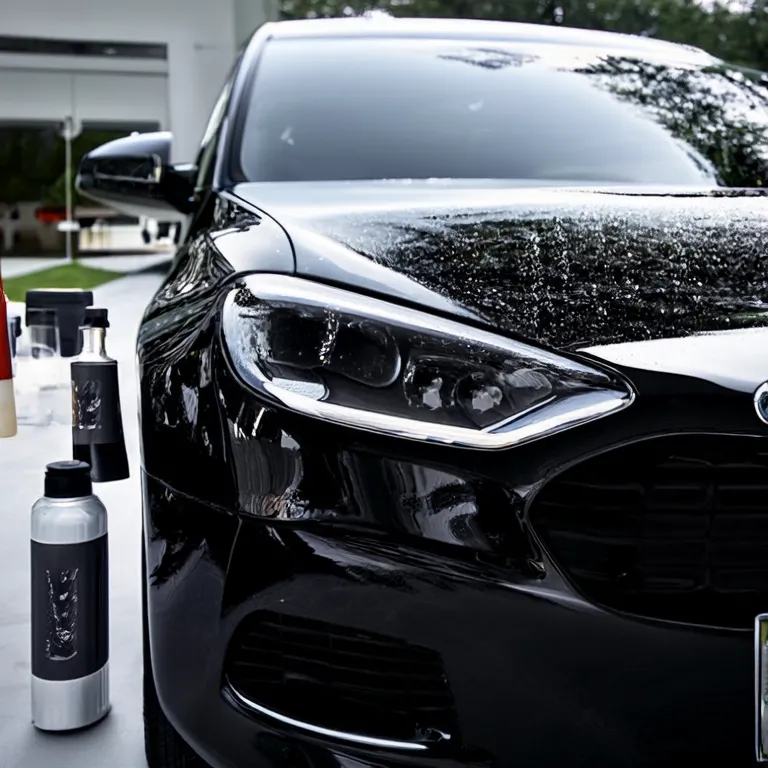
Professionals recommend PPF to address these issues effectively. For instance, Sarah, a car owner from California, shared her experience: “After applying Kingfilm’s PPF, I noticed that my car’s exterior remained pristine, even after a road trip through the mountains, where rocks were flying left and right.”
What You Need for PPF Application
Before applying Paint Protection Film, gather the following materials:
- High-quality PPF (like Kingfilm)
- Installation tools: squegee, utility knife, spray bottle, and microfiber cloths
- Isopropyl alcohol for surface cleaning
- A clean, well-lit workspace or garage
Preparing your vehicle is crucial for a flawless application. Ensure the car is washed and completely dried before starting the process.
Step-by-Step Guidance for Applying PPF
- Clean the Surface: Use isopropyl alcohol and a microfiber cloth to eliminate any dirt, grease, or wax from the car\'s surface.
- Measure and Cut the Film: Use a utility knife to cut the PPF to fit the specific section of your car.
- Spray Application Solution: Create a solution of water and a few drops of dish soap in a spray bottle to facilitate film installation.
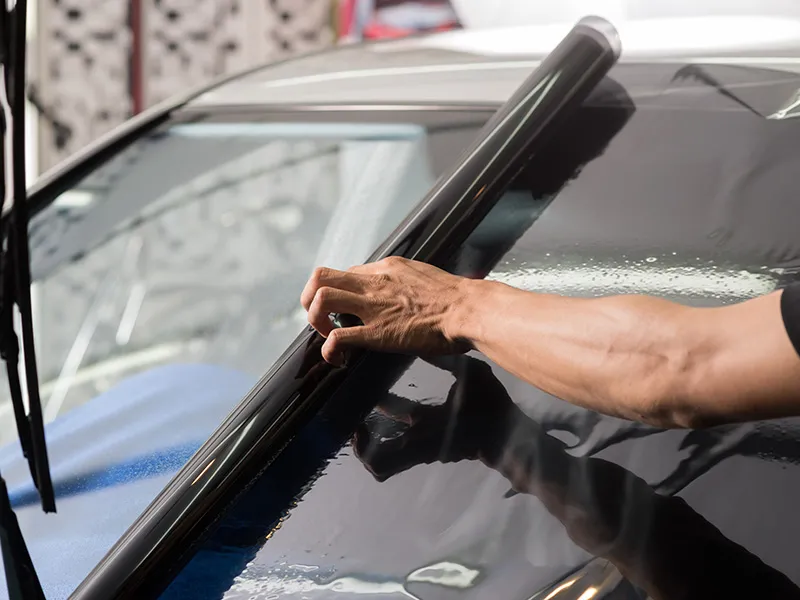
- Apply the Film: Peel off the backing and lightly mist the adhesive side of the film with the soapy solution. Position the film onto the surface.
- Use the Squeegee: Starting from the center, use the squeegee to push out air bubbles and fluid, working your way outwards.
- Trimming Excess Film: Carefully trim any excess film around edges and features. Ensure a seamless fit for long-lasting protection.
- Post-Application Curing: Allow the film to cure for at least 24 hours before washing your car to ensure maximum adhesion.

Common Errors and Their Solutions
- Mistaking the Application Temperature: PPF should be installed in moderately warm conditions. If too cold, it may not adhere properly. Solution: Ensure a ambient temperature of at least 60°F (15°C) before applying.
- Ignoring Bubbles: Neglecting to remove air bubbles can lead to peeling. Solution: Use the squeegee immediately after application to avoid this issue.
- Applying Film on Damaged Paint: Applying PPF over pre-existing damage might worsen the situation. Solution: Painstakingly fix any paint damage before installation.
Conclusion and Recommendations
In conclusion, applying Paint Protection Film, especially from reputable brands like Kingfilm, is an investment that enhances not only your vehicle\'s appearance but also its resale value. While it requires some preparation and diligence, the benefits, such as protecting your investment and extending its aesthetic appeal, are significant. Remember, a well-maintained vehicle is not only a joy to drive but also retains value longer than one that isn’t.
FAQs About Paint Protection Film
- How long does PPF last? Typically, PPF can last between 5-10 years based on conditions and maintenance.
- Can PPF be removed? Yes, PPF can be safely removed without damaging the underlying paint.
- Is it worth the cost? Absolutely! Vehicles with PPF tend to retain more value, making it a worthwhile investment for car owners.