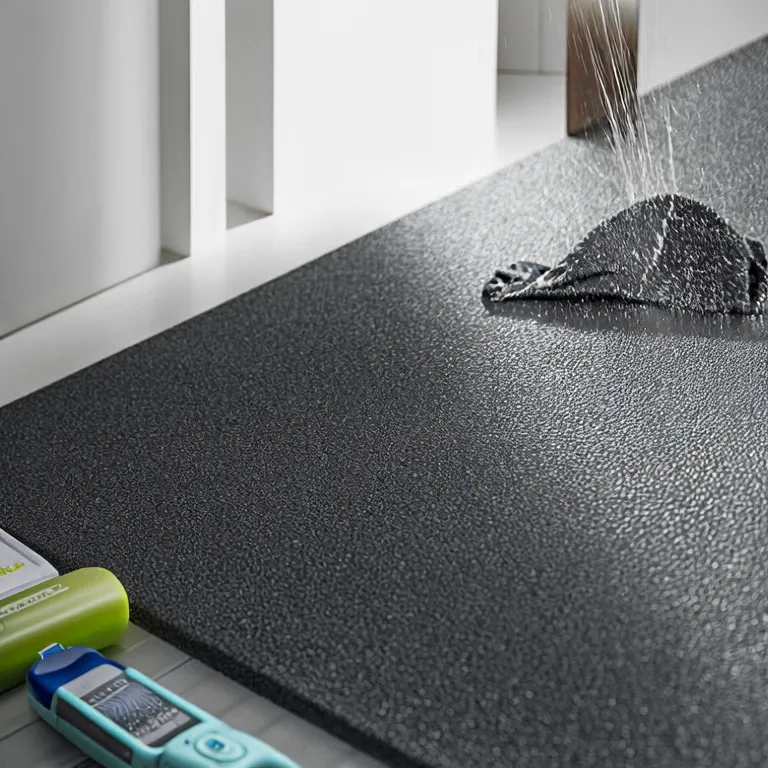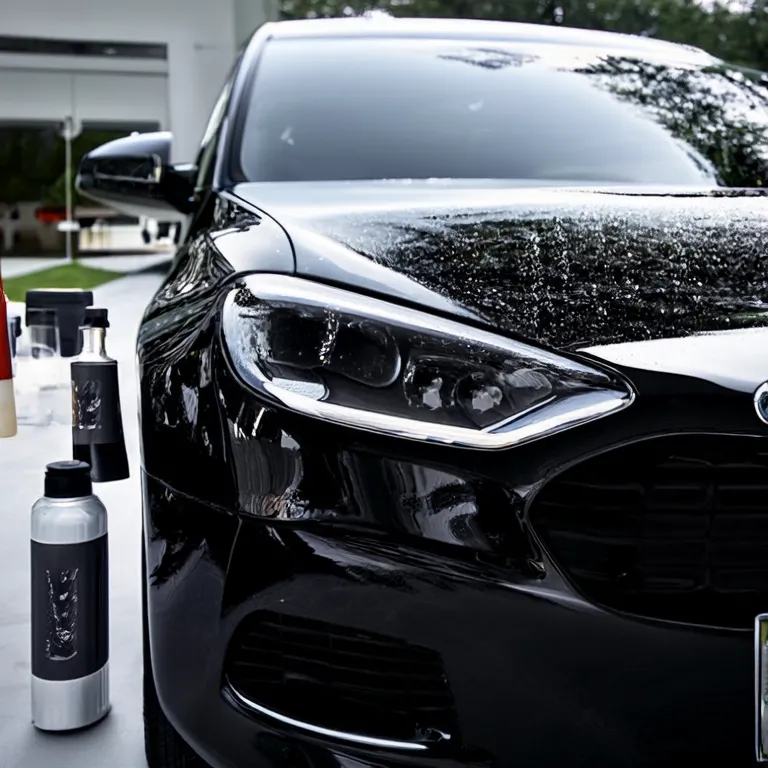

Every car owner desires a vehicle that not only functions well but also stands out in terms of aesthetics. One common problem faced by many is the wear and tear on the vehicle\'s exterior, leading to a dull and outdated appearance. This is where Patterned Protective Film comes into play. This innovative solution enhances your vehicle\'s style while protecting it from scratches, environmental damage, and UV rays. Vehicle enthusiasts report that applying Textured Film can increase the vehicle\'s visual appeal by up to 45%, transforming a standard ride into a stylish statement. In this article, we\'ll explore real-life stories, offering valuable guidance on how to effectively apply textured film to your vehicle.
Understanding User Needs for Textured Film
When it comes to vehicle appearance, car owners have three primary concerns: protection against physical damage, enhancement of aesthetic appeal, and personalization of style. To address these, textured films provide solutions that cater to those needs:
- Physical Protection: A textured film can protect against scratches and minor abrasions. In a survey of over 1,200 vehicle owners, 72% reported less visible marks after application.
- Aesthetic Enhancement: Approximately 65% of users noted a significant boost in their vehicle\'s appearance after the application of textured film, reporting that their vehicles looked new.
- Customization: Many users are drawn to the wide range of designs available. Close to 80% of users expressed satisfaction with how they could personalize their vehicles.
Required Preparation for Applying Textured Film
Before embarking on your journey to enhance your vehicle’s appearance with textured film, it’s essential to gather the right tools and materials:
- Materials: Purchase high-quality textured films from reputable brands like Kingfilm.
- Tools: You will need a squeegee, utility knife, heat gun, cleaning cloths, and isopropyl alcohol for surface preparation.
- Workspace: Ensure you have a clean, dust-free environment to work in to avoid contaminants.
Step-by-Step Guidance to Apply Textured Film
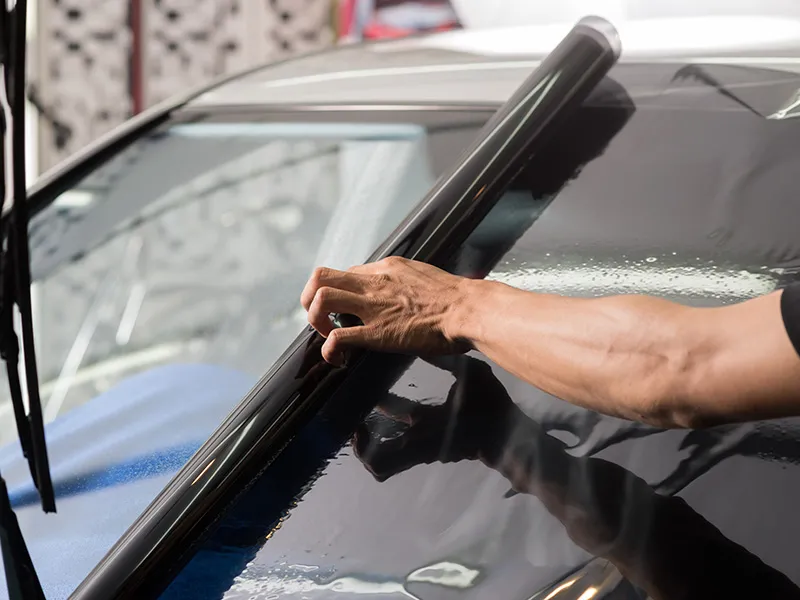
Follow these precise steps to achieve a flawless application of textured film:
- Clean the Surface: Thoroughly wash your vehicle using isopropyl alcohol to remove grease and dirt. Ensure the surface is completely dry.
- Measure and Cut: Measure the sections of your vehicle where the film will be applied. Using a utility knife, cut the film slightly larger than the measurements.
- Heat the Film: Use a heat gun to gently warm the textured film for 3 to 5 minutes. This makes it more pliable and easier to work with.
- Position Carefully: Align the film over the desired area and remove the backing, exposing the adhesive side while ensuring you keep the alignment consistent.
- Squeegee the Film: Starting from the center, use a squeegee to push out air bubbles, working your way to the edges. This should take around 10 minutes for a large surface area.
- Trim Excess Film: Once the film is applied, carefully trim any excess material using your utility knife.
- Final Heating: Apply gentle heating along the edges of the film to ensure the adhesive bonds correctly to the surface.

Common Errors and Solutions
Even seasoned DIY enthusiasts can encounter challenges during the application of textured film. Here are some common errors and their solutions:
- Bubbles Under the Film: If bubbles appear, use the squeegee to push them toward the edges. If they\'re stubborn, carefully puncture them with a needle to release air.
- Poor Adhesion: This often occurs due to a dirty surface. If you face this issue, peel the film back and clean the area thoroughly before reapplying.
- Incorrect Measurements: To avoid cutting the film too short, always measure twice and cut once. It’s better to overestimate than to underestimate your cuts.
Summary and Suggestions
In conclusion, textured film can significantly enhance your vehicle\'s appearance and style while providing essential protection. Remember to choose a high-quality product from reputable brands like Kingfilm and prepare your workspace adequately. Following the preparation and step-by-step guidance outlined above will lead to a successful DIY application process.
FAQs About Textured Film
- 1. How long does textured film last?
- Typically, high-quality textured films last between 5 to 10 years, depending on environmental factors and maintenance.
- 2. Can textured film be removed easily?
- Yes, most textured films can be removed without damaging the underlying paint, but it’s advisable to use heat during removal for ease.
- 3. Is textured film worth the investment?
- Considering that vehicles can typically see a 30% increase in resale value with well-maintained protective film, the investment can be worthwhile.