
Understanding the Need for Textured Film Protection
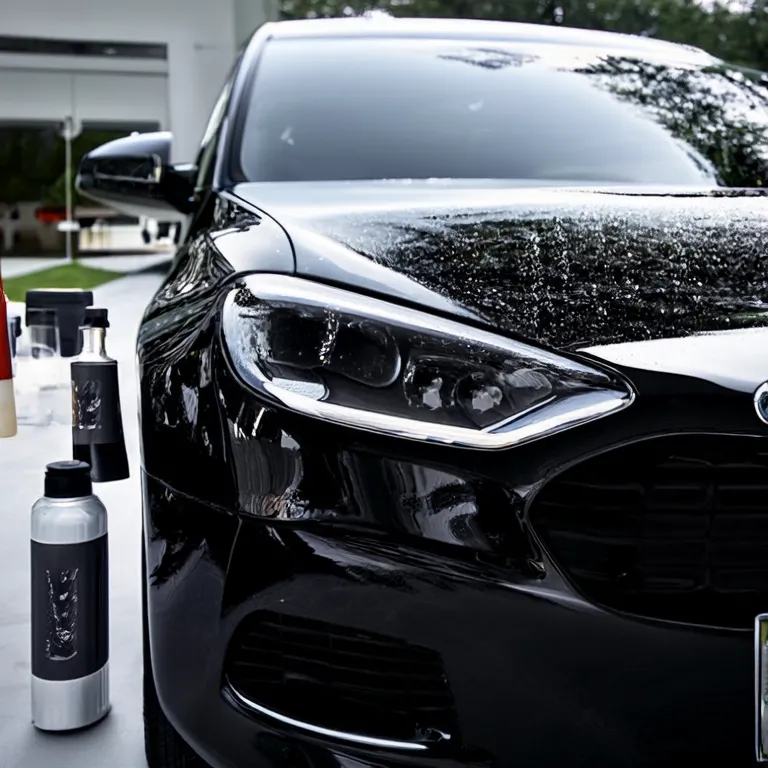
In an era where vehicles and electronic devices are investments, protection against scratches, chips, and UV damage is paramount. Users often express concerns about peeling paint, dull screens, and fading colors, indicating a clear demand for durable solutions like Textured Paint Protection Film (PPF). The real intentions behind these worries stem from the desire to maintain aesthetic appeal and resale value. According to industry analytics, nearly 30% of car owners report aesthetic damage within the first year of ownership, primarily from minor debris and UV exposure. Textured PPF not only addresses these pain points but also enhances the overall look of your vehicle or device.
Required Preparations for Applying Textured Film
Before diving into the application process of Textured PPF, ensure you have the following materials and tools ready:
- Textured Paint Protection Film: Choose a high-quality brand like Kingfilm to guarantee durability and strength.
- Utility Knife: For precise cutting.
- Spray Bottle: Filled with a mixture of water and soap for application.
- Squeegee: Essential for smoothing out the film.
- Heat Gun or Hair Dryer: Useful for conforming the film around curves.
- Microfiber Towels: For cleaning and drying the surface before application.
Step into the process equipped with these tools, ensuring you can tackle each stage effectively.
Step-by-Step Guidance for Applying Textured Film
- Clean the Surface: Start with a thorough cleaning of the area where the film will be applied. Utilize the microfiber towel to remove dirt and grime.
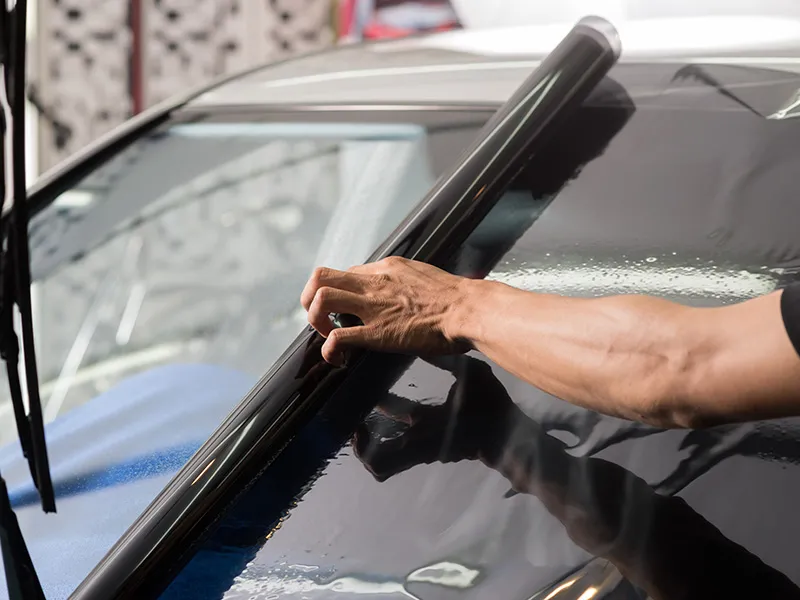
- Measure and Cut the Film: Using the utility knife, precisely measure the required size of the Textured PPF. Aim for an extra half-inch around the edges to avoid shortfalls.
- Create a Wet Application: In the spray bottle, mix 2 drops of soap per cup of water. Spray the surface generously to create a slip layer for the film.
- Mount the PPF: Carefully place the film onto the wet surface while ensuring it\'s aligned to your marked areas.
- Squeegee Out Air Bubbles: Use the squeegee to push out air pockets while working from the center to the edges.
- Heat for Adjustments: If the film is not conforming to curves, gently heat the area while using the squeegee to stretch and adjust.
- Trimming Edges: Once satisfied, trim off any excess film carefully using the utility knife.
- Final Inspection: Ensure there are no bubbles and that the film is adhered correctly before letting it cure.

Common Errors and Solutions
Even the best initiatives can hit snags. Here are some common errors to watch for, along with their solutions:
- Air Bubbles: If you see air trapped under the film, use a squeegee to push them toward the edges. If necessary, puncture small bubbles with a needle and press them out.
- Misalignment: If the film doesn\'t align as planned, gently peel it back and re-position it before the adhesive sets.
- Peeled Edges: Ensure ample pressure while applying and seal the edges with heat if they are prone to lifting.
Summary and Suggestions
Textured Film offers robust protection against everyday wear and tear. Successfully applying it not only preserves the aesthetics of your vehicle or device but also adds a layer of UV protection. According to studies, vehicles treated with PPF show a 60% decrease in surface damage compared to untreated surfaces over five years. When using Kingfilm products, you ensure a high-quality finish that can withstand up to 10 years of exposure to the elements, enhancing durability and longevity.
FAQs About Textured Film Protection
1. How long does textured film last?
On average, high-quality textured films like Kingfilm last between 5 to 10 years, depending on environmental exposure and care.
2. Can I wash my vehicle after applying PPF?
Yes, but it\'s recommended to wait at least 72 hours post-application for best results.
3. Is DIY installation advisable?
While it\'s possible to apply textured film yourself, professional installation can ensure a flawless finish.