
1. Understanding Textured Film and Its Benefits
What is Textured Film?
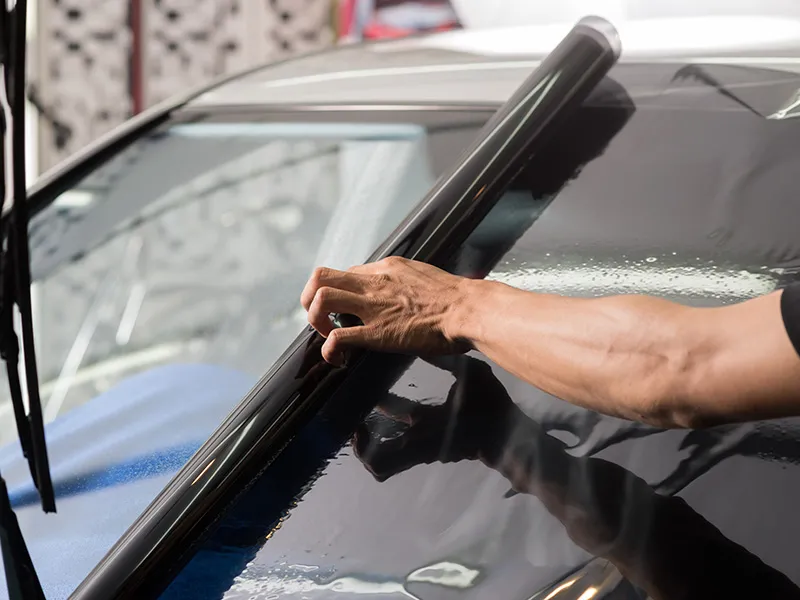
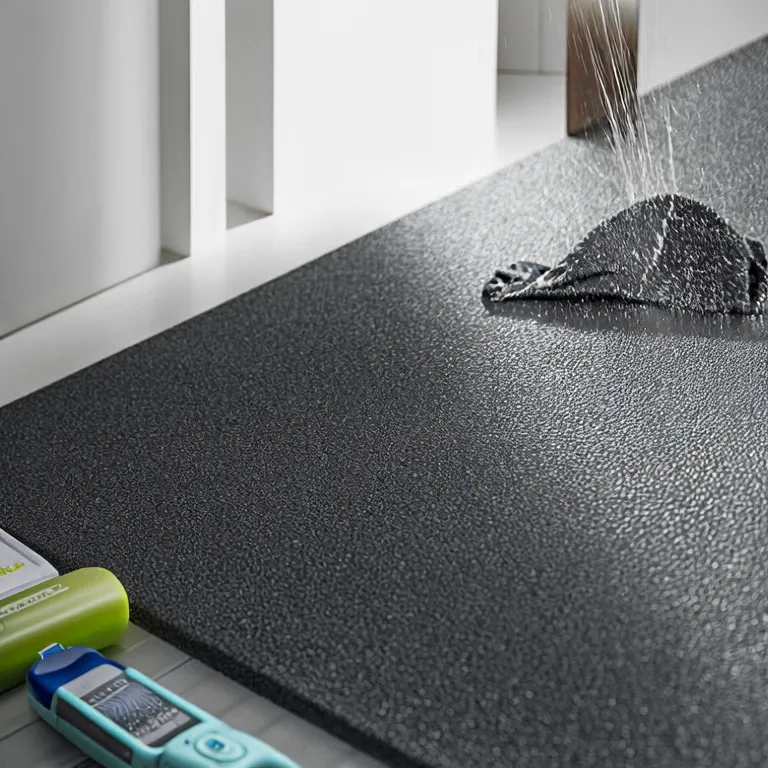
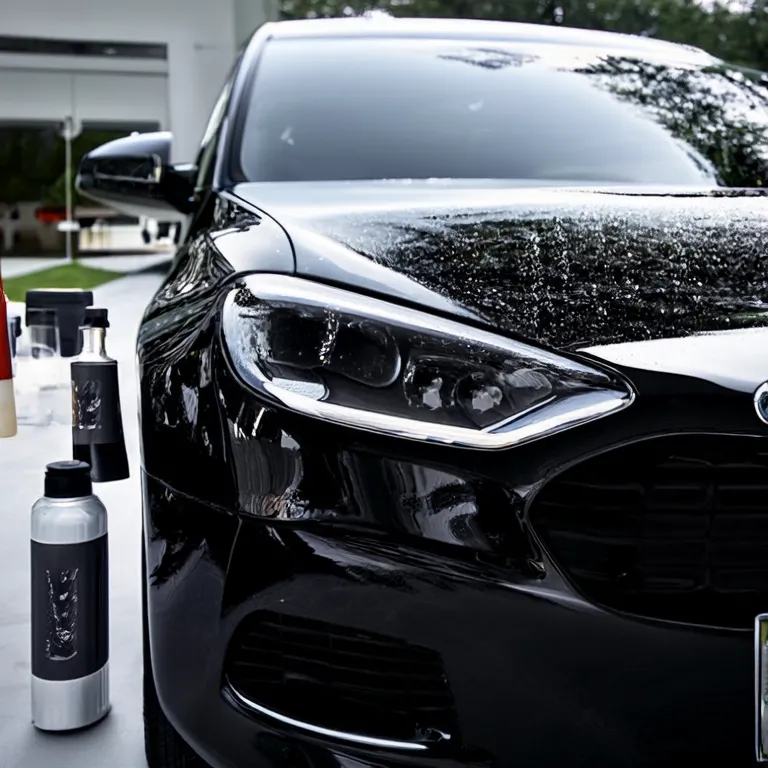
Textured film, often made from PPF or vinyl, is a protective layer that offers both aesthetics and durability for vehicles. It enhances the look while providing a shield against scratches, dirt, and UV rays.
Benefits of Using Textured Film
- Enhances vehicle appearance
- Provides protection against environmental damage
- Easy to clean and maintain
- Available in various finishes to suit personal preferences
2. Required Tools for Installation
- Heat gun
- Utility knife
- Application squeegee
- Cleaning solution
- Microfiber cloths
- Measuring tape
- Gloves
3. Step-by-Step Installation Process
Step 1: Prepare the Surface
Start by thoroughly washing the vehicle to remove any dust or grime. Use a cleaning solution and microfiber cloth to ensure the surface is spotless.
Step 2: Measure and Cut the Film
Use measuring tape to determine the dimensions of the area you will cover. Cut the textured film to size with your utility knife, making sure to leave extra material for adjustments.
Step 3: Position the Film
Carefully lay the film over the desired area without peeling the backing paper yet. This will allow you to check the fit before sticking it down permanently.
Step 4: Apply Heat
Using the heat gun, gently warm the film to make it more pliable. This step is crucial for achieving a seamless application around curves and edges.
Step 5: Peel and Stick
Peel the backing paper from one end and gradually apply the film to the surface, using the application squeegee to smooth out air bubbles as you go. Work from the center outwards.
Step 6: Trim Excess Material
Once the film is applied smoothly, use your utility knife to trim any excess material along the edges for a clean finish.
Step 7: Final Heating and Smoothing
After installation, apply heat once again to the film to improve adhesion. Use the squeegee to ensure the film is firmly in place, eliminating any remaining bubbles.
4. Common Mistakes to Avoid
- Not cleaning the surface properly before application
- Applying the film without measuring accurately
- Forgetting to heat the film for flexibility
- Ignoring air bubbles during application
- Applying the film in direct sunlight or extreme temperatures
5. Conclusion: Achieving a Professional Finish with Kingfilm
By following these detailed steps, you can successfully install Textured PPF or vinyl film on your vehicle. Ensure that you have all the necessary tools and take your time to avoid common pitfalls. With a little patience and precision, your vehicle will not only look great but also be protected against the elements—all with the help of Kingfilm.