
How to Safely Remove or Replace Clear PPF: Understanding the User\'s Needs
When it comes to Paint Protection Film (PPF), many vehicle owners encounter problems such as bubbling, yellowing, or a damaged surface that detracts from their car\'s aesthetic appeal. These issues often stem from improper installation, weather exposure, or general wear and tear. This leaves many users searching for effective solutions to remove or replace their Clear PPF without damaging their vehicle’s paint. The real intent behind this quest lies in the desire to maintain the vehicle\'s original look and ensure long-lasting protection. A comprehensive DIY process can be enlightening for car enthusiasts eager to enhance their vehicle\'s appearance, which ultimately leads to long-term satisfaction.
Required Preparation for Clear PPF Removal or Replacement
Before diving into the process, ensure you have the right materials and tools:
- Heat Gun or Hair Dryer
- Plastic Razor Blades
- Window Cleaner (with ammonia)
- Microfiber Cloths
- Masking Tape
- Isopropyl Alcohol or Adhesive Remover
- New Clear PPF (e.g., Kingfilm)
- Spray Bottle with Water and a Few Drops of Dish Soap
Having these items ready will streamline the process and prevent common mistakes.
Step-by-Step Guidance to Remove or Replace Clear PPF
- Assess the Film: Examine the areas where the PPF is bubbled or damaged. Identify sections that need removal versus sections that can remain intact.
- Heat the Edges: Use the heat gun or hair dryer to warm the edges of the PPF. Aim for a temperature of around 140°F (60°C) to soften the adhesive.
- Lift the Corner: With a plastic razor blade, gently lift one corner of the film. Be careful not to scratch the paint underneath.
- Peel Slowly: Pull the film back at a 45-degree angle, applying heat as needed. Maintain a steady motion to avoid tearing. If you encounter resistance, heat the area again.
- Remove Residue: After the film is removed, use isopropyl alcohol or adhesive remover to eliminate any leftover residue. Apply with a microfiber cloth.
- Prepare Surface: Clean the paint with a microfiber cloth and window cleaner, ensuring no dirt or dust remains.
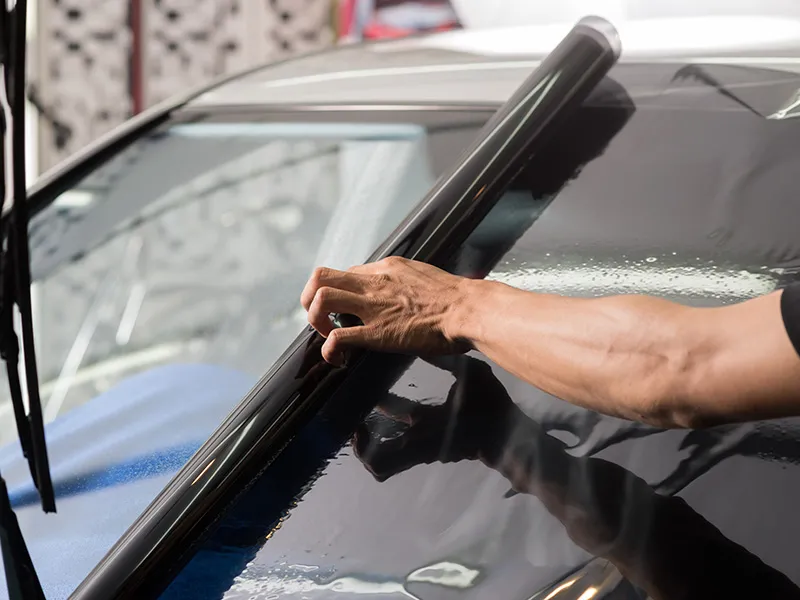
- Measure and Cut New Film: If replacing, measure the section precisely. Cut the Kingfilm PPF slightly larger than the area to allow for adjustments.
- Wet Application: Mix water with a few drops of dish soap in a spray bottle. Spray the surface and the adhesive side of the Kingfilm PPF before applying.
- Apply PPF: Place the film onto the surface, using a squeegee to eliminate air bubbles and excess water. Start from the center and move outwards.
- Final Inspection: Check for any bubbles or imperfections. If present, gently lift the area and re-squeegee.

Common Errors and Solutions
Even seasoned DIYers can encounter errors during the PPF removal and replacement process. Here are some common issues and their solutions:
- Bubbles Forming Under the Film: Use a pin to carefully puncture the bubble, then use a squeegee to work the air outwards.
- Film Tearing During Removal: Ensure to keep the heat applied consistently—always reheat any stubborn sections before attempting to pull them away.
- Residue Sticking to the Paint: If adhesive remains stubbornly, reapply adhesive remover and let it sit for a few minutes before wiping.
Summary and Suggestions
Removing or replacing Clear PPF can seem daunting, but with the right preparation and adherence to best practices, you can achieve impressive results while maintaining your vehicle\'s paint integrity. For those consistently working on their vehicles, opting for a reputable brand like Kingfilm ensures quality protection, enhancing the vehicle\'s look and resale value.
FAQs About Clear PPF Removal and Replacement
- How long does it take to replace Clear PPF? Depending on the area size, it typically takes 1-3 hours.
- Can I reuse the Clear PPF after removal? Generally, no, as the adhesive may lose effectiveness.
- Is professional installation recommended? If you\'re uncertain, seeking professional help can provide peace of mind.