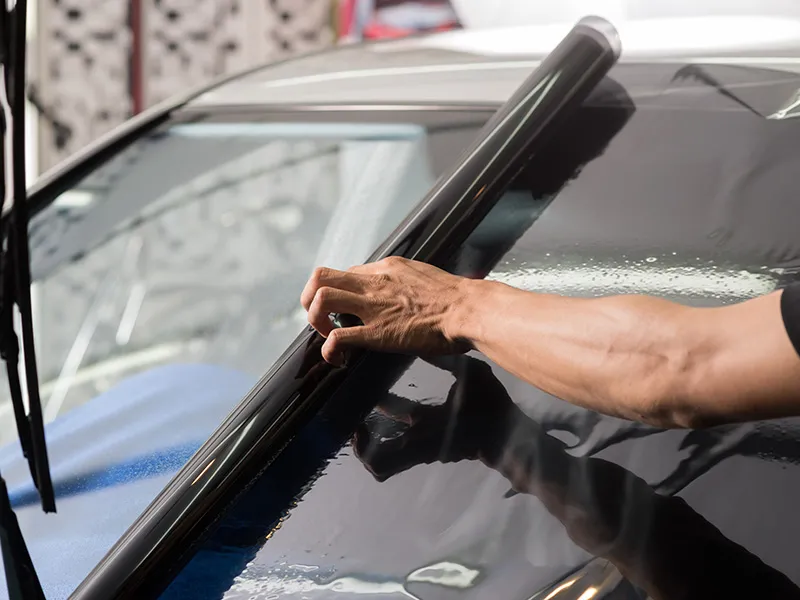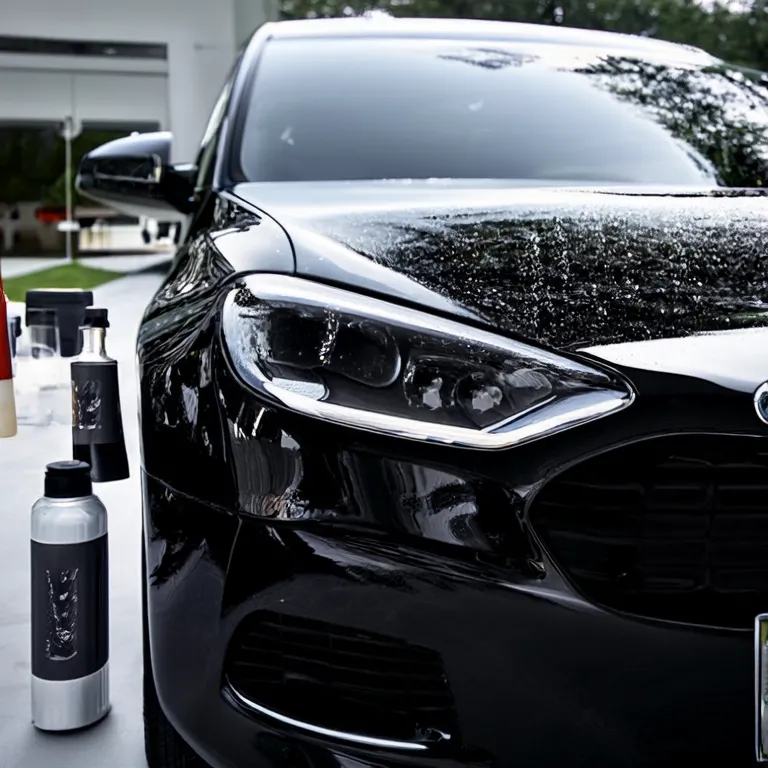

Removing or replacing a patterned protective film can be a daunting task for many users, particularly those unaware of the best practices involved. Users frequently face challenges such as difficulty in peeling off the film without damage, leaving behind residue, or accidentally scratching the surface underneath. This article combines real user experiences with expert guidance to accurately solve these problems. We will offer a thorough step-by-step process on how to safely remove Textured Film, providing insights into the tools needed, potential pitfalls, and applicable solutions for a clean finish. As we delve in, we\'ll also highlight effective methods for applying Kingfilm products in the process.
Required Preparation for Removing Textured Film
Before diving into the removal process, it\'s crucial to gather the necessary materials and tools. Preparation ensures that the process goes smoothly, minimizing the chances of encountering common errors. Here’s what you will need:
- Heat Gun or Hairdryer: Provides gentle heat to soften the adhesive, making removal easier.
- Plastic Scraper: Preferably made of nylon to prevent scratches on the underlying surface.
- Adhesive Remover: A specialized product designed to break down the sticky residue. Products containing isopropyl alcohol or citrus oil are recommended.
- Microfiber Cloths: Useful for cleaning and polishing the surface post-removal.
- Protective Gloves: To protect your hands from heat and chemicals.
Step-by-step Guidance: Removing Textured Film
Now that you\'re prepared, let’s walk through the step-by-step process of removing the patterned protective film.
- Assess the Area: Inspect the surface to check for any pre-existing damage and gather your tools.
- Apply Heat: Use a heat gun or hairdryer on a low setting to gently warm up a corner of the textured film. Keep it at least 6 inches away from the surface to avoid overheating.
- Peel Off the Film: Once the film feels warm (but not too hot), slowly peel back a corner. Use the plastic scraper if necessary, working your way down the surface.
- Remove Residue: After the film is completely removed, there may be adhesive residue left behind. Apply your chosen adhesive remover on a microfiber cloth and gently wipe the area.
- Clean the Surface: After all residue has been wiped away, clean the surface with soap and water or a glass cleaner to ensure no chemicals are left behind.
- Inspect the Finish: Ensure the surface is free of scratches or discoloration before proceeding to apply any new textured film.

Common Errors and Solutions
While removing textured films, users often encounter several common errors. Here’s how to avoid them:
- Excessive Heat: Avoid overheating the film, as this can cause it to melt and become more difficult to remove. Always keep your heat source moving.
- Not Testing First: Test a small corner before fully committing to avoid any potential damage to the surface underneath. If using an adhesive remover, always check compatibility with the surface.
- Skipping Cleaning: Never skip the cleaning process after removal—this can lead to poor adhesion when applying a new patterned protective film. A clean surface is essential for proper bonding.
Summary and Suggestions
Removing or replacing textured film can be executed safely with the right approach and tools. By following the steps outlined above and avoiding common pitfalls, you can effectively tackle this task with ease. If you\'re considering applying a new patterned protective film, Kingfilm products are highly recommended for their durability and adhesive quality, fostering a hassle-free installation.
FAQ
1. How long does the removal process usually take?
On average, removing a textured film can take anywhere from 15 to 30 minutes, depending on the size of the surface and the ease of removal.
2. Will using heat damage my surface?
If done correctly, using heat should not damage the surface. Always keep a safe distance and avoid prolonged exposure.
3. Can I reuse the textured film after removal?
Once removed, most patterned protective films are not reusable due to loss of adhesive properties. It\'s best to replace them with a new film.