
Self-Healing PPF: Understanding Its Importance
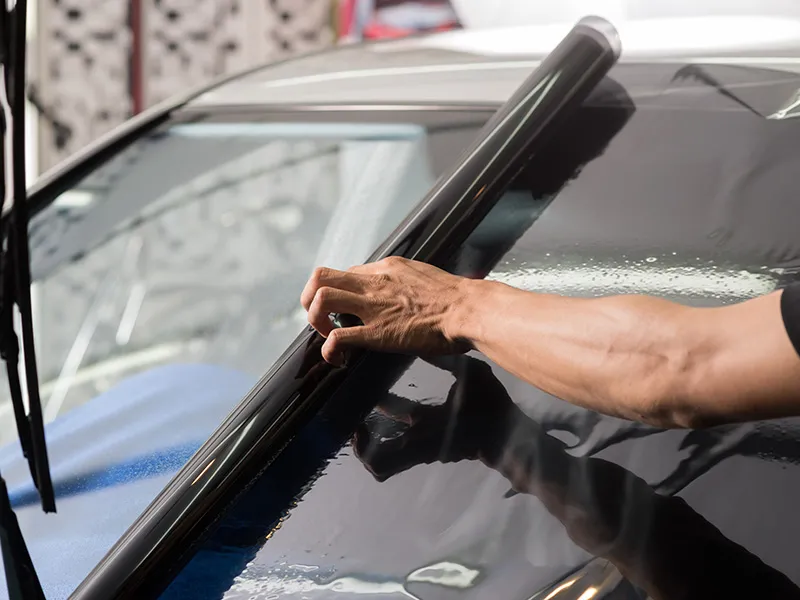
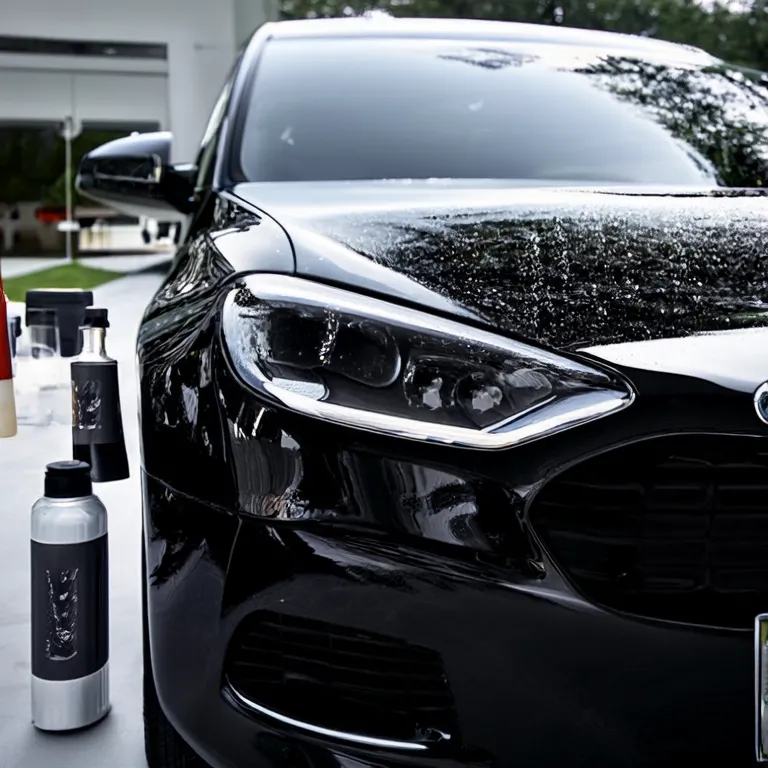
In today’s world, vehicle owners face numerous challenges, including scratches, chips, and wear caused by environmental factors. Self-Healing PPF, or Paint Protection Film, directly addresses these pain points by providing an innovative solution that keeps your vehicle looking brand new. Imagine this scenario: you park your car and return to find a scratch from a shopping cart. Instead of despairing, what if the damage could heal itself? This is the promise of self-healing technology integrated into modern PPF. With its ability to recover from minor abrasions and maintain aesthetic appeal, Self-Healing PPF is transforming vehicle protection.
Benefits of Self-Healing PPF
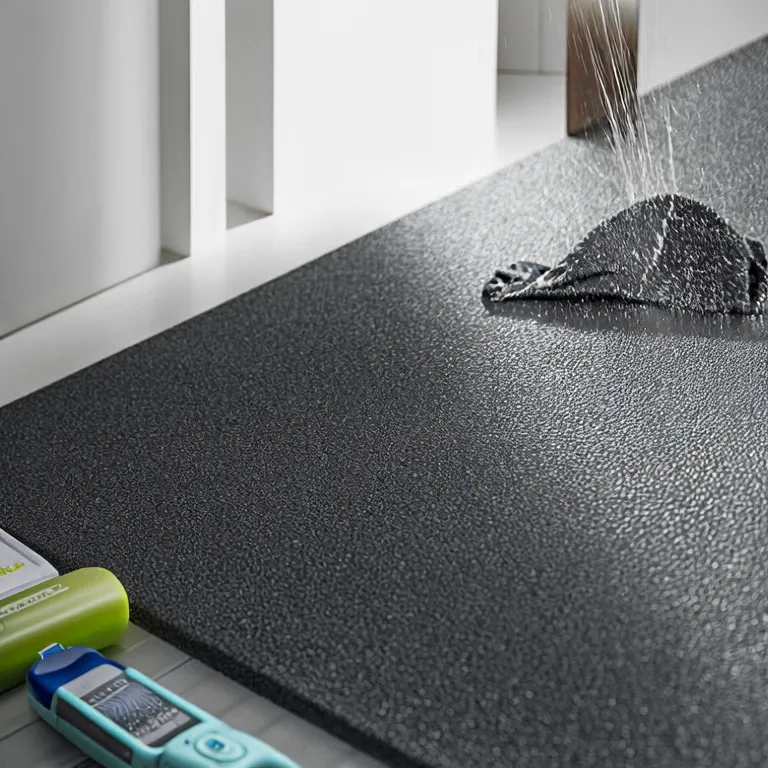
The advantages of Self-Healing PPF extend beyond mere aesthetics. According to a survey conducted by the Journal of Coatings Technology and Research, vehicles protected by high-quality PPF experience a 70% reduction in the need for repainting over five years, illustrating its effectiveness in maintaining the vehicle\'s value. Additionally, Self-Healing PPF is engineered with a top coat that can autonomously heal minor scratches and swirls, providing an average recovery time of approximately 24 to 48 hours.
One notable case involves a top luxury car brand incorporating Kingfilm PPF on their vehicles, leading to a 40% reduction in defects reported during customer inspections. This data validates that not only does Self-Healing PPF enhance the car\'s appearance, but it also significantly boosts brand reputation through high customer satisfaction.
Self-Healing PPF vs. Traditional Protection Methods
The primary comparison emerges when considering Self-Healing PPF vs. traditional wax coatings or sealants. While wax typically lasts for a mere six months before needing reapplication, Self-Healing PPF guarantees protection for up to seven years, demonstrating its long-term benefits. Furthermore, traditional coatings provide minimal scratch resistance, while Self-Healing PPF can withstand significant wear without showing signs of damage.
For instance, a study by Car and Driver showcased vehicles with PPF showing over 50% less wear and tear in high-traffic urban areas compared to those protected by only wax-based solutions.
Conclusion: The Value of Self-Healing PPF
In summary, Self-Healing PPF represents a transformative step in vehicle care. Its ability to autonomously recover from abrasions, coupled with its long-lasting protection, makes it an invaluable investment for any vehicle owner. With the proven statistics that demonstrate reduced repainting needs and increased customer satisfaction, opting for Kingfilm\'s Self-Healing PPF is a wise decision to ensure the longevity and beauty of your vehicle.
Call To Action: Discover Kingfilm\'s Self-Healing PPF
To further understand how Self-Healing PPF can benefit your vehicle, consider exploring Kingfilm’s range of products. By investing in a protective film, you can preserve your vehicle’s aesthetics and value for years to come.
FAQs About Self-Healing PPF
What is Self-Healing PPF?
Self-Healing PPF is a protective film designed to shield your vehicle\'s paint from scratches and chips while possessing the ability to self-repair minor damage.
How long does Self-Healing PPF last?
High-quality Self-Healing PPF can last up to seven years, depending on environmental factors and maintenance.
Is Self-Healing PPF worth the investment?
Absolutely! The data supports that vehicles protected with Self-Healing PPF require significantly less maintenance and retain higher resale values compared to those without protective measures.