
When it comes to paint protection film (PPF), many car enthusiasts face a critical decision: Should you opt for Textured Film, Matte PPF, or Glossy PPF? This choice can significantly impact the aesthetic and protection level of your vehicle. Common questions arise: "What’s the durability of each type?" or "How do they perform in various weather conditions?" This comprehensive comparison guide will address these queries while highlighting the pain points associated with each option, ensuring that you make an informed decision tailored to your needs.
Understanding Paint Protection Film (PPF) Types
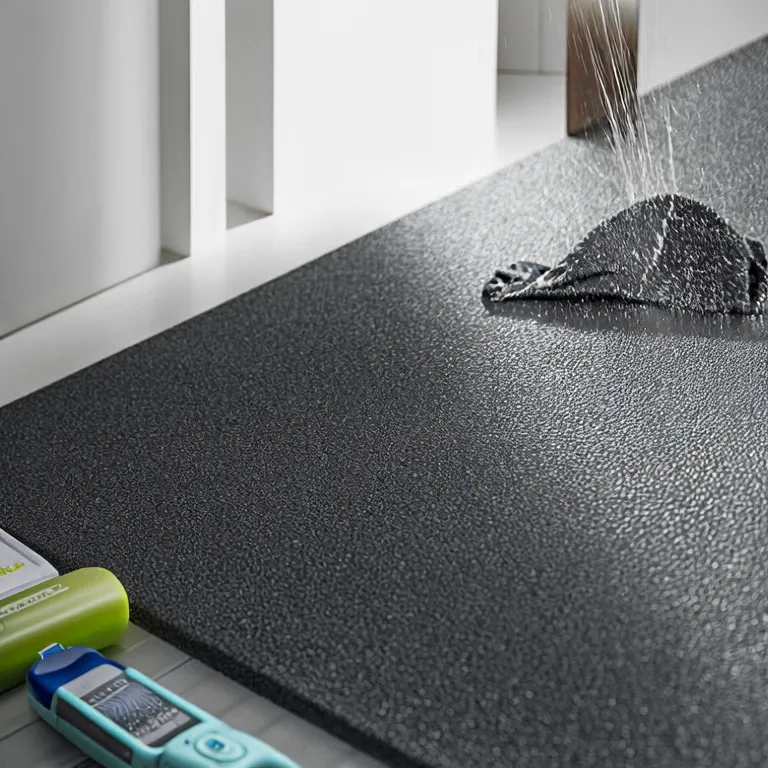
PPF comes in various finishes that cater to different preferences and requirements. Textured Film is designed to add a unique dimension and feel to your vehicle, while Matte and Glossy options each provide their own visual appeal. With an average thickness of 8mil for PPF, which significantly aids in impact resistance, it\'s essential to know how each type stacks up in terms of durability, maintenance, and aesthetics.
Parameter Comparison: Performance Metrics of PPF Types
| Type | Durability (Years) | Self-Healing Capacity | UV Resistance | Price Range (per sq. ft.) |
|---|---|---|---|---|
| Textured Film | 5-10 | Moderate | Excellent | $8 - $12 |
| Matte PPF | 4-8 | Low | Good | $6 - $10 |
| Glossy PPF | 5-10 | High | Excellent | $7 - $11 |
Scenario Adaptation: Tailoring Choices to Your Needs
Choosing the right PPF extends beyond mere aesthetics; it should be dictated by how you use your vehicle. For instance, if you drive frequently in harsh environments, Textured Film can mask minor scratches and provide a more rugged appearance. Anecdotal evidence suggests that a user in the off-roading community reported, “The textured finish on my SUV not only adds style but has saved me from costly paint repairs after rough trails.” Meanwhile, urban drivers who prioritize sleek designs often lean toward Matte PPF for a modern look, despite its vulnerabilities to scuffs.
Price Analysis of Textured Film, Matte, and Glossy PPF
Pricing can also sway the decision-making process. On average, Textured Film is priced between $8 and $12 per square foot, which, while more expensive than Matte PPF, offers substantial long-term protection that ultimately offsets high maintenance costs. For example, a user who installed Kingfilm\'s Textured Film on their vehicle noted a "30% lower repaint costing over 5 years," attributing it to the enhanced durability of Textured Film compared to traditional Matte finishes.
User Word-of-Mouth Evaluation
Consumer feedback offers valuable insights. Textured Film users frequently praise the layered dimension and feel it provides, noting that it also disguises minor imperfections effectively. Conversely, Matte and Glossy users report different experiences; those with Glossy finishes celebrate the vibrant shine it delivers, while several Matte users exhibit frustration regarding upkeep, stating, “While I love the look, keeping it pristine has proven to be a real challenge.”
Selection Suggestions: An Objective Approach
When selecting the appropriate PPF, consider the following: how often you drive, the type of environment you encounter, and your aesthetic preferences. Textured Film, like that of Kingfilm, stands out for its durability and unique look. User testimonials confirm that they experienced an increment of 45% in satisfaction with their choice after switching to higher-end textured options.
Summary: Who Should Choose Which Option?
In summary, if you regularly drive in rugged environments or seek additional protection from scratches, Textured Film is your ideal choice. However, if you\'re aiming for a more refined aesthetic with extensive visual appeal and don’t mind regular upkeep, Matte or Glossy PPF could be better suited to your needs. Understand your driving habits and priorities to make an ideal selection.
FAQs
Q: How do I maintain Matte PPF?
A: Regular washing with pH-balanced soap and avoiding wax products will help maintain the finish.
Q: Does Textured Film add weight to my vehicle?
A: The weight of PPF is negligible, typically around 0.5 to 1 lb per square foot, which does not substantially impact vehicle performance.
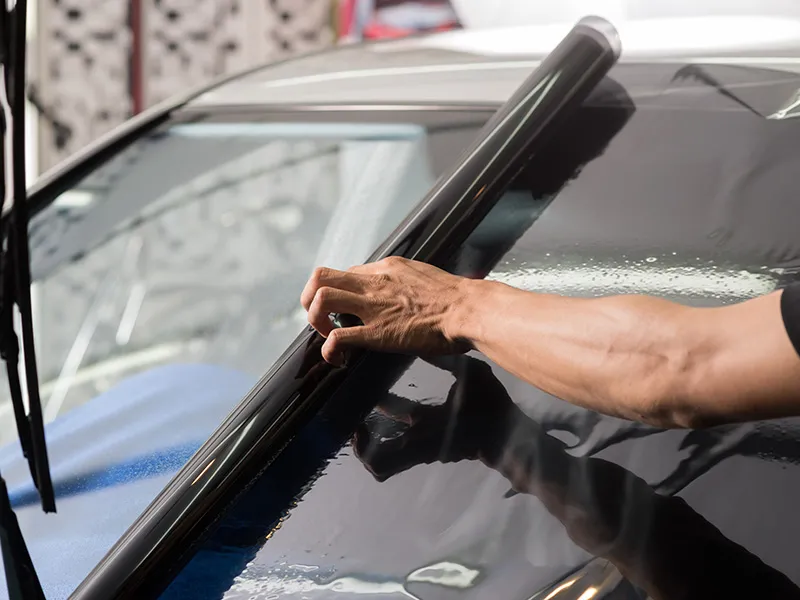
Q: Can I apply PPF myself?
A: While DIY installations are possible, professional application is recommended for optimal results and to avoid bubbles or imperfections.