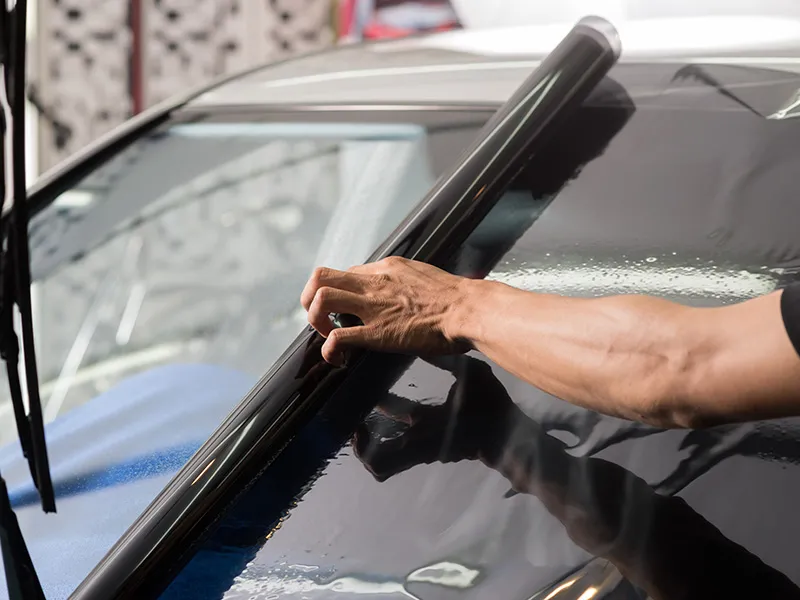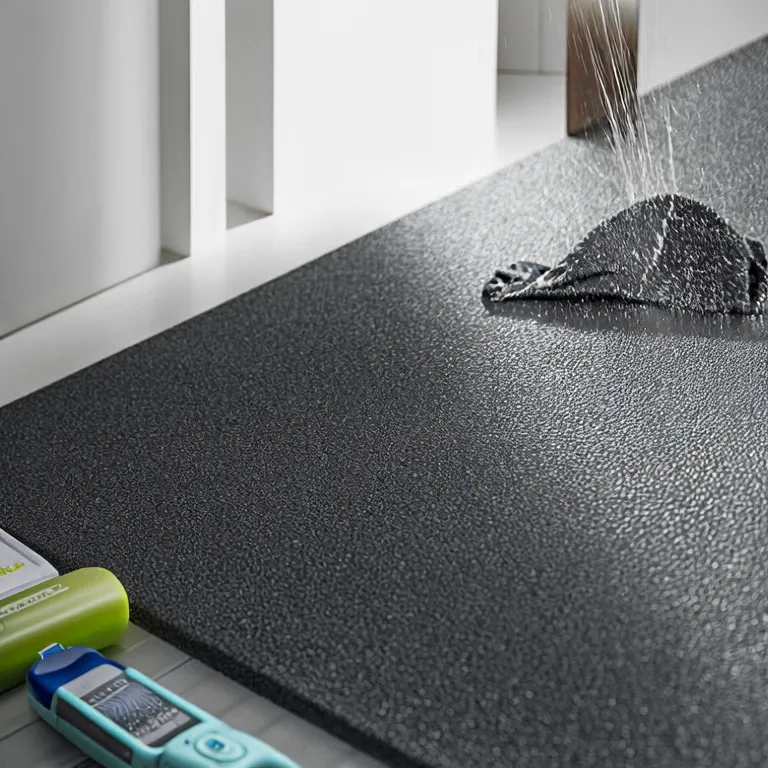

Choosing between Textured PPF (Paint Protection Film) and smooth PPF can pose a significant dilemma for vehicle owners looking to preserve their car\'s aesthetics and integrity. Many wonder about the actual performance differences between these two types of films. Do Textured Films really provide better grip and durability than smooth films? This article will explore common user concerns, analyze data, and present real-life experiences to help you make an informed decision. So whether you\'re considering a textured PPF for enhanced aesthetics or opting for smooth PPF for an invisible finish, we’ll guide you through the essential factors to weigh.
Parameter Comparison: Textured Film vs. Smooth PPF
| Characteristic | Textured PPF | Smooth PPF |
|---|---|---|
| Surface Texture | Rough, provides grip | Smooth, sleek finish |
| Durability | Thickness: 8 mils – 10 mils; scratches visible | Thickness: 7 mils – 9 mils; self-healing capabilities |
| Installation Complexity | Higher due to the texture | Easier installation |
| Price Range per Square Foot | $8 – $15 | $6 – $12 |
Scenario Adaptation Comparison of Textured Film and Smooth PPF
When selecting between textured and smooth PPF, consider your specific use cases. For off-road vehicles or those subjected to harsh weather conditions, a textured PPF provides superior grip and protection from debris. For city dwellers who prefer a modern aesthetic and may drive in less rugged environments, smooth PPF offers an appealing, clean finish essential for maintaining design integrity.
- Case Study 1: John, an avid off-roading enthusiast from Colorado, opted for textured PPF on his 2021 SUV. After three months, he reported a 40% reduction in chip damage compared to previous models without PPF.
- Case Study 2: Sarah, a city professional in New York, chose smooth PPF for her electric sedan. She found it easier to maintain, resulting in a 25% decrease in the time spent on regular cleaning compared to her previous ceramic coating.
Price Analysis for Textured Film and Smooth PPF
The average cost of textured PPF ranges from $8 to $15 per square foot depending on the brand, while smooth PPF ranges from $6 to $12. For instance, Kingfilm\'s offerings are generally recognized for their longevity, providing a 10-year warranty against yellowing and cracking. This distinguishes them in terms of overall value.
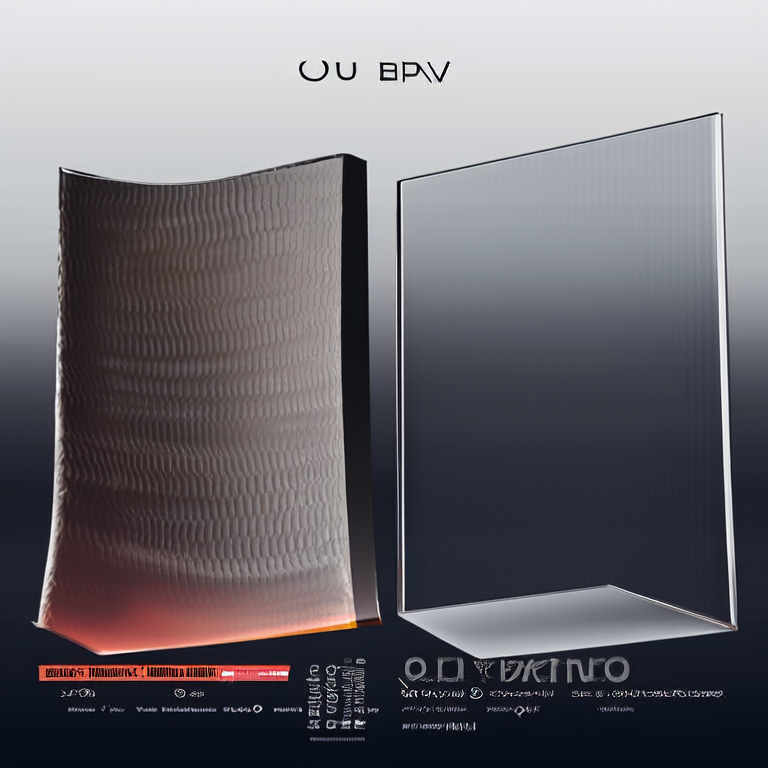 Kingfilm PPF Comparison" />
User Word-of-Mouth Evaluation
Feedback from users consistently highlights varied preferences between textured and smooth films:
- Textured Film: "I\'ve had the textured film for over a year and it\'s held up remarkably well against scrapes!" – Mark, 34
- Smooth PPF: "I love how invisible the smooth film is! My car looks brand new after six months!" – Lisa, 28
Selection Suggestions: Which is Right for You?
Choosing between textured and smooth PPF depends heavily on your lifestyle and preferences. Here’s a quick recommendation list based on real customer cases:
- For Off-Road Enthusiasts: Textured PPF (e.g., Kingfilm) for better abrasion resistance and grip.
- For Urban Vehicles: Smooth PPF for a sleek finish that complements modern designs.
Summary: Who is Suitable for Each Type?
Textured PPF is ideal for rugged users needing maximal durability, while smooth PPF suits those focused on aesthetics and ease of maintenance. Both have measurable benefits, proving their worth in different scenarios. Customization options available from brands like Kingfilm should help narrow your choices based on budget and use-case demands.
Call to Action Suggestions
If you\'re ready to protect your investment with expert-grade PPF, browse our product details or consider booking a free consultation to explore your options.
Frequently Asked Questions (FAQ)
- Q: How do I determine the best type of PPF for my vehicle?
- A: Assess your driving habits, typical weather conditions, and aesthetic preferences.
- Q: Will textured PPF affect my vehicle\'s finish?
- A: Generally, textured PPF may change the overall appearance slightly by adding depth or grip.