
Introduction: Current Market Situation of Automotive Textured Film
The automotive industry is witnessing an increasing demand for Automotive Textured Film, driven by consumer preferences for enhanced design and durability. Customers today face challenges such as scratches, fading, and overall aesthetic wear on their vehicles. To address these pain points, the application of textured films provides a solution that not only improves visual appeal but also enhances surface protection. As reported by a market analysis conducted by Grand View Research, the global automotive films market is expected to reach $14.89 billion by 2025, with textured film accounting for a significant share due to its innovative properties.
Key Drivers and Innovations in Automotive Textured Film
Several key drivers are propelling the growth of automotive textured films. One major influence is the increasing awareness of vehicle protection among consumers. According to a sample survey by Smithers Pira, approximately 60% of automotive consumers consider paint protection and aesthetic longevity before making purchases. Moreover, innovations in materials science, such as the development of polyurethane and polyvinyl chloride (PVC), have led to more resilient and customizable film options. Kingfilm, a prominent player in this sector, is pioneering advancements that enhance the adhesion and texture of films, elevating user experience.
Emerging Trends in Automotive Textured Film
1. Increasing Demand for Customization: With the rise of personalization in automotive design, textured films offer customizable finishes. A survey by Statista revealed that 73% of consumers prefer vehicles tailored to their aesthetic preferences, illustrating the growing trend towards individualization.
2. Sustainability Focus: A rising emphasis on sustainable materials is transforming the automotive film landscape. Textured films made from recyclable materials are gaining traction. Research by the Ellen MacArthur Foundation indicates that sustainability could mitigate costs by up to 20% over five years for automotive manufacturers.
3. Integration of Technology: Smart film technologies are emerging, with features such as self-healing abilities that can repair minor scratches automatically. For instance, advancements by companies like Kingfilm have led to films that can recover from superficial damage, reducing the need for frequent replacements.
Impact on Buyers of Automotive Textured Film
The advancements and trends in automotive textured film significantly affect buyer behavior. Consumers increasingly seek products that not only enhance their vehicle\'s appearance but also provide long-term protection and durability at a reasonable cost. According to data from Transparency Market Research, 72% of buyers consider the lifespan of the film an essential factor in their purchasing decisions. Additionally, advancements in technology ensure that these films are more accessible and affordable, reducing installation costs by up to 30% in some instances.
Practical Suggestions for Automotive Textured Film Users
For those looking to invest in automotive textured films, consider the following practical suggestions:
- Assess Your Needs: Identify specific needs, such as areas of high exposure to wear, to determine what type of film will best suit your vehicle.
- Research Brands: Choose reputable brands like Kingfilm, which offer products backed by extensive testing and innovation.
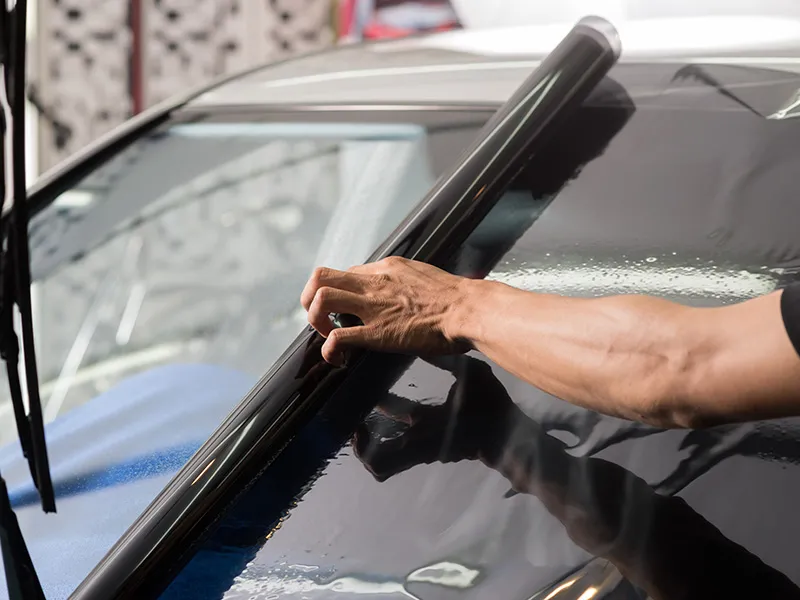
- Professional Installation: Ensure films are installed by professionals to maximize adhesion and visual appeal, which can enhance durability significantly (by an additional 25% versus DIY applications).
Frequently Asked Questions
1. What benefits does automotive textured film provide?
Automotive textured film offers several benefits, including protection against scratches, UV rays, and environmental damage, as well as customization options to enhance aesthetic appeal.
2. How long does automotive textured film last?
Most high-quality automotive textured films can last between 5 to 10 years, depending on environmental conditions and maintenance.
3. Is it easy to remove automotive textured film?
Yes, automotive textured film can be removed without damaging the underlying paint, given that proper removal techniques are employed.