
Installing Chameleon Paint Protection Film (PPF) can drastically improve the aesthetic appeal and durability of your vehicle\'s paint. However, many users encounter common mistakes that can undermine the protective qualities and visual effect of Chameleon PPF. Without proper installation, your investment can lead to peeling, bubbling, or premature fading. In this article, we will detail the top mistakes to avoid during the installation process, offering actionable solutions to ensure you achieve a flawless finish and long-lasting protection for your vehicle.
Mistake #1: Skipping Surface Preparation
Why it\'s important: Proper surface preparation ensures that the PPF adheres well to your vehicle, preventing peeling or air bubbles from forming.
Operation Method: Thoroughly clean the vehicle\'s surface using a pH-neutral soap, rinse it completely, and dry it with a microfiber towel. Remove any wax, sealant, or contaminants using an appropriate solvent.
Guidance: This technique is crucial for all car owners, especially those with vehicles that have been recently painted.
Mistake #2: Incorrect Temperature and Humidity Levels
Why it\'s important: The application of Chameleon PPF under unsuitable temperature or humidity can lead to improper adhesion and affect the film\'s properties.
Operation Method: Ensure that the installation environment is between 70°F and 80°F (21°C to 27°C), with humidity levels below 50%. Use a heat gun to adjust the temperature if necessary.
Guidance: This is especially important for users installing PPF in outdoor or non-climate-controlled areas.
Mistake #3: Rushing the Installation Process
Why it\'s important: Hurrying the installation can cause errors, leading to unaligned film or improper placement.
Operation Method: Take your time to align the PPF accurately. Use marking tools to ensure the film matches your desired placement before applying it.
Guidance: Ideal for DIY enthusiasts who may feel pressured to get the job done quickly; patience is paramount.
Mistake #4: Not Using the Right Tools
Why it\'s important: Using improper tools can damage the film and create a less-than-professional finish.
Operation Method: Use high-quality tools such as a squeegee, knife, and heat gun specifically designed for PPF installation.
Guidance: Recommended for both amateurs and professionals wanting to achieve a showroom-like quality on their vehicles.
Mistake #5: Failing to Manage Edges and Corners
Why it\'s important: Improper handling of edges and corners can lead to lifting and peeling over time.
Operation Method: Carefully trim excess film around the edges using a blade and smooth down the corners using a squeegee. Heat can be applied to ensure flexibility.
Guidance: Essential for anyone installing PPF on complex surfaces or curves on their vehicle.
Summary of Key Points
To avoid these common mistakes during the installation of Chameleon PPF, ensure proper surface preparation, maintain suitable temperature levels, take your time during the application, use the right tools, and manage edges carefully. By following these guidelines, car owners can protect their vehicles effectively while enhancing their appearance.
FAQ
Q: How long does it take to install Chameleon PPF?
A: The installation time can range from 4 to 8 hours, depending on the vehicle and the complexity of the film application.
Q: Can I wash my car after applying Chameleon PPF?
A: It is recommended to wait at least 48 hours before washing the car to allow the film to adhere properly.
Q: Is Chameleon PPF easy to remove?
A: Yes, when installed correctly, Chameleon PPF can be removed without damaging the underlying paint, though professional assistance is advised for the best results.
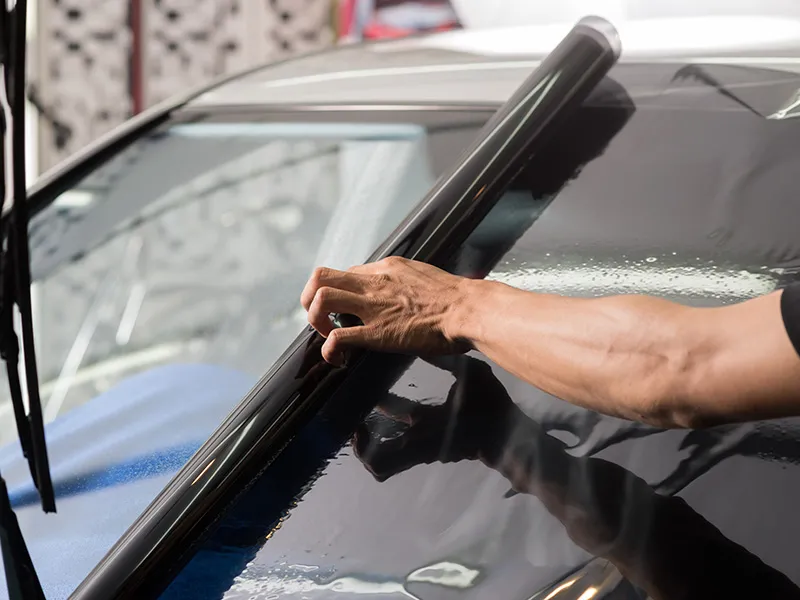
For high-quality Chameleon Paint Protection Films, consider brands like Kingfilm, which offer advanced solutions for car enthusiasts. To visualize the application process, refer to the image shown here: