
Installing clear PPF (Paint Protection Film) can protect your vehicle\'s paint from scratches and chips. However, many individuals make critical mistakes during the installation process leading to unsatisfactory results. This article pinpoints common pitfalls and offers practical solutions to ensure a flawless PPF application. Understanding these clear PPF installation mistakes and their consequences will not only improve the aesthetic appearance of your vehicle but will also enhance its resale value.
Mistake #1: Skipping Surface Preparation
Why It Matters: Clean and well-prepared surfaces ensure the PPF adheres properly.
Operation Method: Before applying the PPF, wash and decontaminate the car surface thoroughly. Use clay bars to remove embedded contaminants, and ensure it\'s dry and free from dust or grease.
Technique Suitable For: This method is ideal for first-time users as well as professionals wanting to ensure a perfect install.
Mistake #2: Not Using the Right Tools
Why It Matters: Using the wrong tools can lead to poor application and damaging the film.
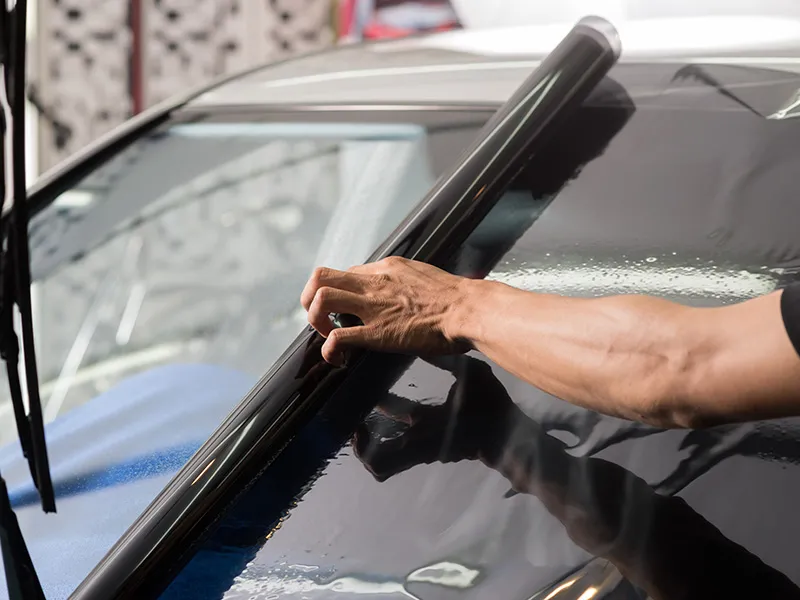
Operation Method: Always use recommended tools such as a heat gun, squeegee, and utility knife specifically designed for PPF installation. Using brands like Kingfilm can enhance the quality of your installation.
Technique Suitable For: This approach is perfect for DIY enthusiasts looking to achieve a professional-quality installation.
Mistake #3: Overstretching the Film
Why It Matters: Overstretching can lead to premature lifting and bubbling.
Operation Method: When stretching the film, apply heat to make it pliable and stretch only to the minimum needed to fit properly. Avoid aggressive pulling.
Technique Suitable For: Recommended for those who wish to cover complex curves or angles of the vehicle.
Mistake #4: Ignoring Environmental Conditions
Why It Matters: Extreme temperatures can affect the adhesion of the PPF.
Operation Method: Install PPF in controlled temperatures, ideally between 70°F and 90°F (21°C to 32°C). If working in cooler weather, use a heat source to warm the film and surface before application.
Technique Suitable For: This is crucial for installations in regions with extreme weather conditions.
Mistake #5: Neglecting Post-Installation Care
Why It Matters: Incorrect aftercare can damage the film and reduce its lifespan.
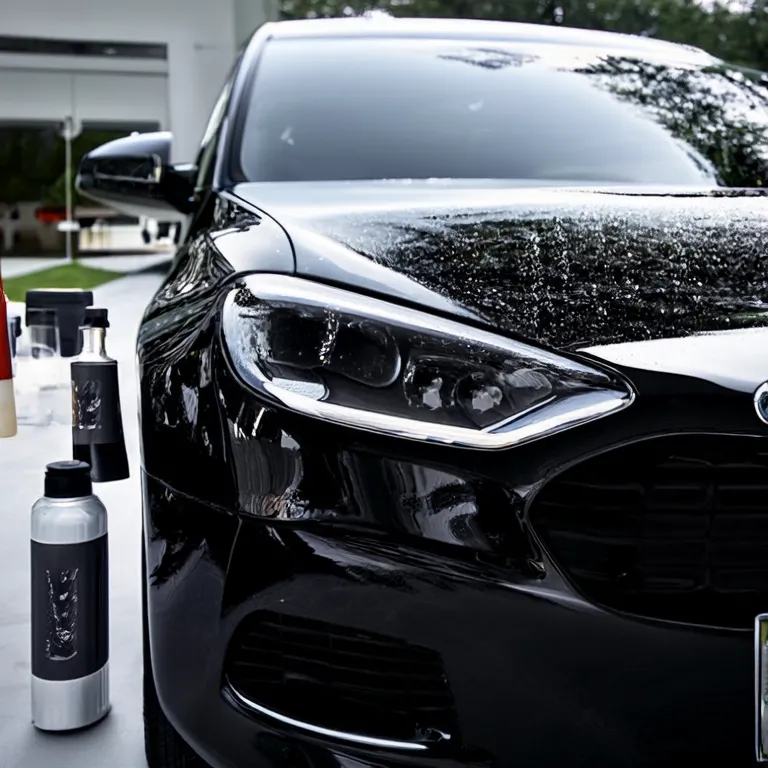
Operation Method: After installing the PPF, avoid washing and exposure to harsh chemicals for at least 48 hours. Use mild soaps and soft cloths for maintenance.
Technique Suitable For: Important for all users to understand long-term maintenance for durability.
Key Points Summary
- Proper surface preparation is critical for adhesion.
- Always use the right tools tailored for PPF application.
- Be cautious of stretching the film improperly to prevent damage.
- Consider environmental factors during installation.
- Follow appropriate post-installation care routines for longevity.
FAQ
What is clear PPF and why should I install it?
Clear PPF is a transparent layer of protection that shields your vehicle\'s paint from scratches and damages caused by road debris, UV rays, and environmental contaminants. Installing it can preserve your car\'s look and increase its resale value.
How long does clear PPF last?
High-quality PPF, like Kingfilm, can last anywhere from 5 to 10 years depending on the conditions it\'s exposed to and the maintenance it receives.
Can I install PPF myself?
Yes, with the right tools and techniques as discussed, a DIY installation is possible. However, for complex applications or beginners, professional installation is recommended.
What happens if the film bubbles after installation?
If bubbles appear, they can typically be removed by using a heat gun to soften the film and using a squeegee to push the air out towards the edges.
For a reliable product, consider Kingfilm PPF for your vehicle protection needs.