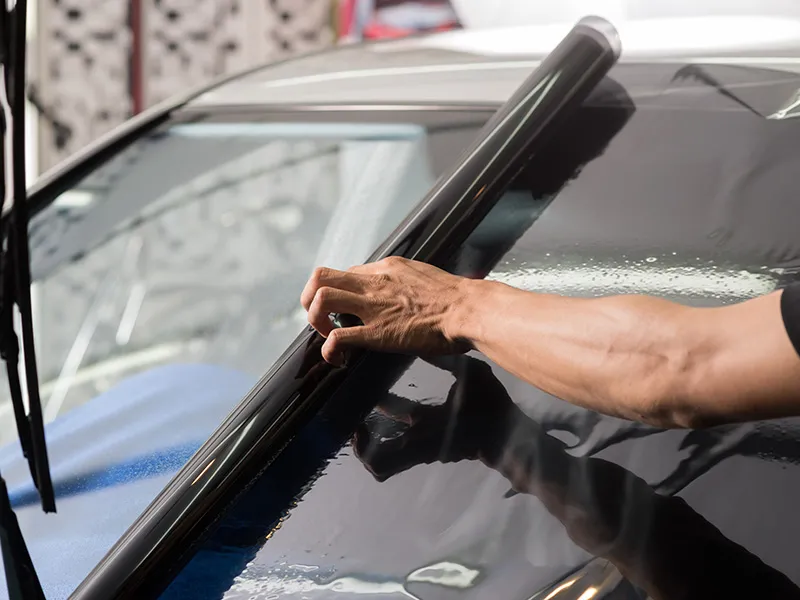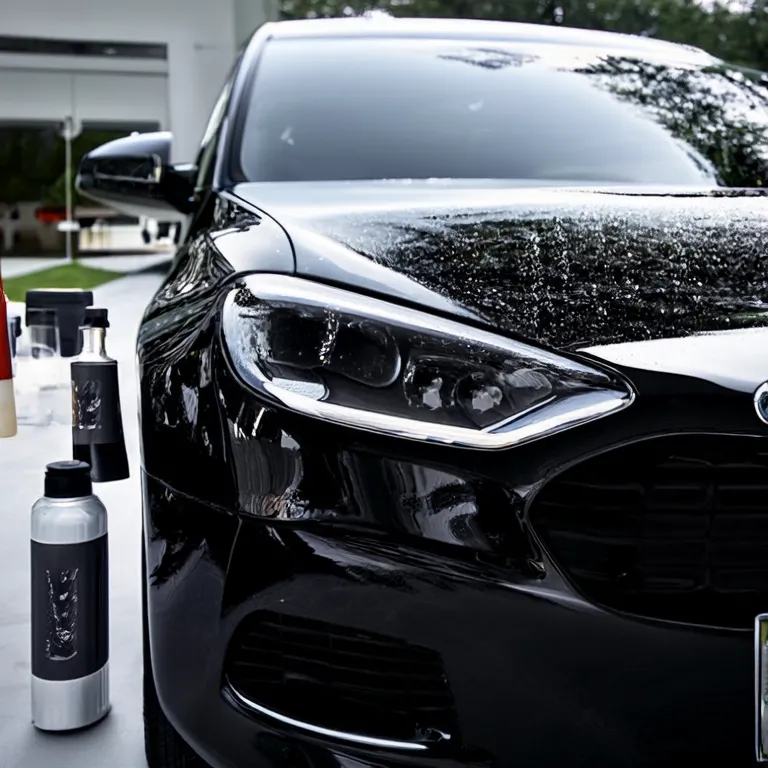

When it comes to protecting your vehicle\'s exterior, installing Car Protective Film is essential for maintaining its value and aesthetic appeal. However, many car owners make common mistakes that can compromise the film\'s effectiveness and longevity. Avoiding these pitfalls will not only enhance your vehicle\'s protection but also save you money on potential reinstallation costs. This article will explore key mistakes and provide actionable solutions to ensure a flawless Paint Protection Film installation.
Mistake 1: Skipping Surface Preparation
Why It\'s Important: Proper surface preparation is crucial for ensuring that the film adheres effectively and lasts longer.
Operation Method: Thoroughly wash and dry your vehicle before installation. Use a clay bar to remove contaminants and a high-quality alcohol wipe to eliminate oils and waxes.
This method is suitable for all car owners seeking a high-quality installation. Neglecting this step can lead to bubbling and peeling, compromising the film\'s performance.
Mistake 2: Choosing the Wrong Film Thickness
Why It\'s Important: The thickness of Paint Protection Film affects its durability and protective capabilities.
Operation Method: Research various film options; for most vehicles, a thickness ranging between 6 mil to 8 mil is ideal for balancing flexibility and resistance.
This technique is appropriate for users who drive in high-traffic areas or harsh climates, as a thicker film provides better protection against scratches and road debris.
Mistake 3: Ignoring Temperature Considerations
Why It\'s Important: Temperature impacts how the adhesive bonds with the car\'s surface, affecting the installation process.
Operation Method: Install the film in a controlled environment where temperatures range between 60°F and 90°F for optimal adhesion.
This method is crucial for professional installers or DIY enthusiasts working in varying weather conditions, as extreme heat or cold can lead to film misalignment.
Mistake 4: Overstretching the Film
Why It\'s Important: Overstretching can lead to stress marks and cause the film to lift over time.
Operation Method: Handle the film gently, using a squeegee to apply pressure without pulling too tightly.
Ideal for those new to film installation, this approach ensures even coverage while preserving the film\'s structural integrity.
Mistake 5: Neglecting Edge Sealing
Why It\'s Important: Edge sealing prevents dirt and moisture from getting underneath the film, which can lead to peeling and bubbling.
Operation Method: Use a heat gun to carefully seal the edges of the film after application, ensuring a snug fit against the vehicle surface.
Essential for long-term durability, this technique is especially important for those living in areas with heavy rainfall or snow.
Mistake 6: Failing to Maintain the Film Properly
Why It\'s Important: Regular maintenance helps extend the lifespan of Paint Protection Film.
Operation Method: Avoid harsh chemicals; instead, use a pH-neutral soap solution and microfiber cloths to clean the film.
Highly recommended for all users, maintaining your film will ensure that your investment remains visually appealing and protected from potential damage.
Key Points Summary
By avoiding these common mistakes—thorough preparation, correct film selection, temperature control, gentle handling, edge sealing, and proper maintenance—you can enjoy optimal protection from your Paint Protection Film. Brands like Kingfilm provide quality options that can enhance vehicle aesthetics while offering durable protection.
FAQ
What is Paint Protection Film and why do I need it?
Paint Protection Film is a clear, durable layer applied to the vehicle\'s exterior to protect against scratches, chips, and environmental damage. It is essential for preserving the car’s appearance and resale value.
Can I install Paint Protection Film myself?
Yes, with proper preparation and techniques, DIY installation is possible; however, consider professional installation for best results, especially if you are a beginner.
How do I maintain my Paint Protection Film?
Regular cleaning with pH-neutral solutions and avoiding commercial car washes with harsh chemicals will help maintain the film’s integrity.