
In the automotive industry, maintaining the pristine condition of a vehicle is of paramount importance. Automotive Paint Protection Film (PPF) has emerged as a vital solution for car owners who wish to guard their vehicles against the harsh realities of daily driving. With Paint Protection Films, car enthusiasts can prevent scratches, chips, and stains while preserving the resale value of their vehicles. The significance of PPF is underscored by the rising consumer demand for durable and efficient protective solutions, with recent data indicating that the global automotive PPF market is projected to grow at a CAGR of 5.5% from 2023 to 2030, according to a report by Grand View Research.

Definition: What Is Paint Protection Film?
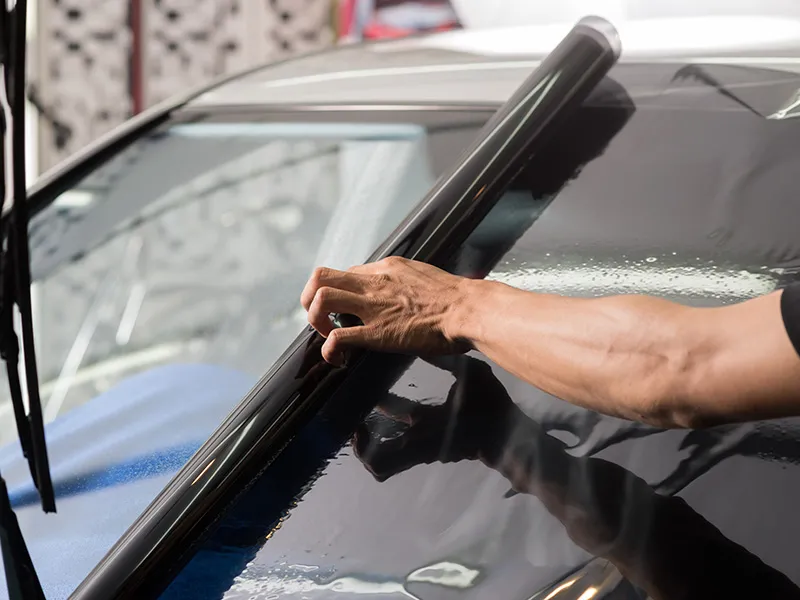
Paint Protection Film (PPF), commonly referred to as clear bra, is a thermoplastic urethane film applied to the painted surfaces of a vehicle to protect it from scratches, stains, and other environmental contaminants. This film serves as a sacrificial layer that absorbs the impact and stress from road debris, UV rays, and harsh weather conditions. The "self-healing" properties of modern PPF technology allow minor scratches to disappear with heat, maintaining a flawless appearance over time. As per an analysis by 3M, PPF can reduce the chances of paint damage by up to 99%.
Application Scenarios: Where Is PPF Used?
PPF is utilized across various applications within the automotive sector. Some common scenarios include:
- New Car Protection: Many car owners apply PPF to brand-new vehicles to preserve their factory paintwork.
- Fleet Management: Companies managing vehicle fleets use PPF to minimize maintenance costs and extend the life of the vehicles.
- Classic Car Restoration: Enthusiasts restore vintage cars and protective coatings prevent deterioration from elements.
- Racing and Motorsport: Drivers in high-stakes environments often use PPF due to its superior protective properties against rocks and debris at high speeds.
Advantages: Why Is Paint Protection Film Important?
The importance of PPF in the automotive industry is reflected in several key benefits:
- Durability: PPF offers long-lasting protection, with some products lasting over a decade when properly maintained.
- Resale Value: Vehicles treated with PPF can retain up to 15% more in resale value than those without, according to a study by the National Automobile Dealers Association.
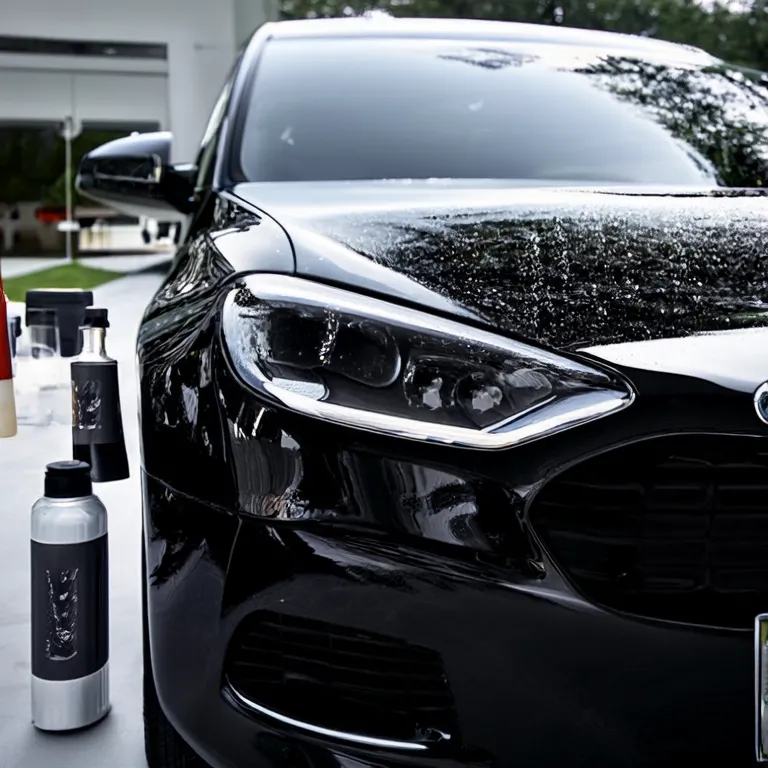
- Enhanced Appearance: High-quality PPF is virtually invisible once applied, enhancing the overall look without altering the vehicle\'s design.
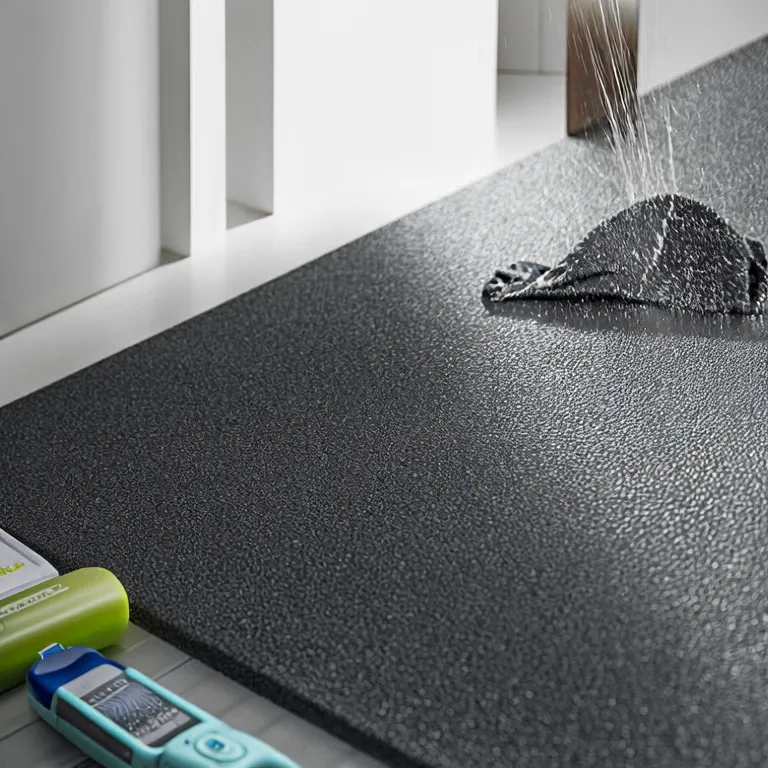
- Self-Healing Technology: Modern PPF materials have self-healing capabilities that can recover from small scratches and swirl marks at ambient temperatures or with heat.
Next Steps: Further Guidance
If you’re considering Paint Protection Film for your vehicle, it’s recommended to read the user guide provided by the manufacturers. For those who wish to experience the benefits first-hand, brands like Kingfilm offer high-quality PPF products with comprehensive installation instructions.
FAQ
Q1: How long does Paint Protection Film last?
A1: Depending on the quality, PPF can last between 5 to 10 years with proper maintenance.
Q2: Can PPF be removed easily?
A2: Yes, PPF can be safely removed without damaging the underlying paint, especially when using professional installation services.
Q3: Is PPF worth the investment?
A3: Yes, the protection and potential increase in resale value generally make PPF a worthwhile investment for car owners looking to protect their asset.
Conclusion
For automotive enthusiasts and everyday drivers alike, Paint Protection Film presents a robust solution to preserve vehicle aesthetics and value. As the industry continues to evolve, understanding the benefits and technologies behind PPF will help consumers make informed decisions. To dive deeper, explore the offerings from trusted brands like Kingfilm and consider protective solutions tailored for your vehicle needs.